Uncategorized
Before you bag up all those fallen leaves and send them to the curb, consider this: leaves are one of the best free resources for your garden. They’re packed with nutrients, they improve soil structure, and they provide winter protection for your plants. Here’s how to put them to work.
Why Leaves Are Garden Gold
- Free mulch: A 2 to 3 inch layer of shredded leaves insulates roots and suppresses weeds through winter.
- Soil builder: As leaves decompose, they add organic matter that improves drainage in clay soils and water retention in sandy soils.
- Nutrient recycler: As leaves break down, they return nutrients to the soil where your plants can use them.
- Habitat for beneficials: A leaf layer provides overwintering habitat for pollinators, beneficial insects, and other garden helpers.
How to Use Leaves in Your Garden
1
Shred Them First
Whole leaves can mat together and smother plants or repel water. Run your mower over them a couple of times to chop them into smaller pieces. Shredded leaves break down faster and stay in place better. If you don’t have a mower, a leaf blower with a vacuum/mulch function works great too.
2
Spread as Mulch
Apply a 2 to 3 inch layer of shredded leaves around perennials, shrubs, and trees. Pull the mulch a few inches away from trunks and stems to prevent moisture buildup and rot. This insulating layer protects roots from freeze-thaw cycles and reduces the need for watering next spring.
3
Add to Compost or Work Into Beds
Shredded leaves are an excellent “brown” material for your compost pile. Mix them with “green” materials like kitchen scraps for balanced decomposition. You can also work shredded leaves directly into vegetable beds and annual beds. By spring, they’ll have broken down and enriched the soil.
A Couple Things to Watch For
Avoid Black Walnut Leaves: Black walnut trees produce a chemical called juglone that is toxic to many plants, especially tomatoes, peppers, potatoes, and blueberries. Don’t use black walnut leaves as mulch or add them to compost that you’ll use on sensitive plants. If you have a walnut tree, bag those leaves separately.
Spring Cleanup: In early spring, gently pull back some of the leaf mulch from perennial crowns so new growth can emerge. You don’t have to remove it all. Just thin it out and let the rest continue to decompose in place.
October Specials
Balled and burlapped crabapple trees are 50% off, and concrete statues and pots are 25% off (glazed and unglazed pottery excluded). In-store only at our Cedarburg garden center.
See October Specials
Uncategorized
Fall is one of the best times to give your shrubs and trees a good pruning. The growing season is winding down, the leaves are dropping, and you can finally see the structure of your plants. Here’s how to make the most of fall pruning in Zone 5b.
Why Prune in Fall?
Reduced disease risk: Many fungal diseases are dormant in fall, so fresh cuts are less likely to become infected.
Better visibility: With leaves dropping, you can see the branch structure clearly and make smarter cuts.
Less stress on plants: Plants are entering dormancy, so they won’t waste energy trying to push new growth from pruning cuts.
Tidier landscape: Removing dead, damaged, or crossing branches now means a cleaner look heading into winter.
Spring head start: Plants pruned in fall can direct their energy toward healthy new growth when spring arrives.
How to Prune: 6 Steps
1
Start With the Dead Stuff
Remove any dead, diseased, or broken branches first. These are easy to spot — they’re brittle, discolored, or already snapped. Removing them prevents disease from spreading and gives you a clearer view of what’s left.
2
Remove Crossing or Rubbing Branches
Branches that cross over each other create friction wounds and invite disease. Choose the stronger, better-positioned branch and remove the other one.
3
Thin for Airflow
Open up the interior of the plant by removing a few inward-growing branches. Better airflow reduces the chance of fungal problems next season.
4
Shape the Plant
Step back and look at the overall form. Make selective cuts to encourage a natural, balanced shape. Don’t try to reshape everything at once — take off no more than one-third of the plant.
5
Make Clean Cuts
Use sharp, clean tools. Cut just outside the branch collar (the slightly swollen area where the branch meets the trunk). Don’t leave stubs and don’t cut flush — the collar helps the wound heal properly.
6
Clean Your Tools
Wipe your pruners and saw with rubbing alcohol or a 10% bleach solution between plants, especially if you removed any diseased wood. This prevents spreading problems from one plant to another.
Important Warnings
⚠️ Know What You’re Pruning: Some shrubs bloom on old wood — like lilacs, forsythia, and rhododendrons. If you prune them in fall, you’ll be cutting off next spring’s flower buds. These should be pruned right after they finish blooming, not in fall. If you’re not sure whether your shrub blooms on old or new wood, ask us — we’re happy to help.
⚠️ Prune Before the First Hard Frost: Get your pruning done before temperatures consistently drop below freezing. Fresh cuts on a hard-frozen plant can cause damage. In Zone 5b, aim to finish by mid-to-late October.
Uncategorized
August in Southeast Wisconsin is when your garden is working hardest, and so is the sun. Temperatures regularly climb into the upper 80s and 90s, rainfall gets unpredictable, and your plants are drawing heavily on soil moisture to fuel late-summer growth, fruiting, and flower production.
This is the month where watering technique matters most. Shallow, frequent watering trains roots to stay near the surface where they are vulnerable to heat and drought. Deep watering does the opposite. It sends moisture down into the root zone where plants can access it even on the hottest days.
Here is how to water smarter this August in your Zone 5b garden.
Why Deep Watering Makes a Difference
Benefits of Deep Watering
- Deeper root growth. When water penetrates 6-8 inches into the soil, roots follow it down. Deeper roots mean stronger, more drought-tolerant plants that can access moisture even during dry spells.
- Less water lost to evaporation. A slow, deep soak puts water where it counts: below the surface. Quick sprinkles mostly evaporate before they reach the roots.
- Reduced disease pressure. Deep watering at the base keeps foliage dry, which helps prevent fungal diseases like powdery mildew, blight, and black spot on roses.
- Stronger plants going into fall. Plants that are well-watered through August go into September healthier. For perennials, shrubs, and trees, this means better winter hardiness in our Zone 5b climate.
- Less work overall. One or two deep waterings per week is more effective (and less effort) than daily light sprinkling.
How to Deep Water: 3 Simple Steps
You do not need fancy equipment. A hose, a soaker hose, or even a 5-gallon bucket with holes drilled in the bottom will do the job.
1
Water Low and Slow
Set your hose to a gentle trickle or lay a soaker hose along the base of your plants. The goal is to let water soak in rather than run off. For garden beds, run the soaker hose for 30-45 minutes. For individual trees and shrubs, let a slow trickle run at the base for 20-30 minutes. Water in the early morning when evaporation is lowest and leaves have time to dry before evening.
2
Check Your Depth
After watering, push a screwdriver or wooden dowel into the soil. It should slide easily to a depth of 6-8 inches. If it stops at 2-3 inches, you need to water longer. This simple test takes the guesswork out of it. Check in a few spots around your garden since soil can vary even within a single bed.
3
Water 1-2 Times Per Week (Not Every Day)
Most established gardens need about 1 to 1.5 inches of water per week in August, including rainfall. One or two deep soaking sessions per week is far better than a little water every day. Let the top inch of soil dry between waterings. This encourages roots to reach down for moisture rather than camping out at the surface. Newly planted trees and shrubs may need more frequent attention during their first summer.
Tips for Better Results
Get More From Every Drop
- Mulch your beds. A 2-3 inch layer of shredded bark, straw, or leaf mulch dramatically reduces evaporation and keeps soil temperatures more consistent. Pull mulch a couple inches away from plant stems to prevent rot.
- Prioritize what needs it most. Newly planted trees and shrubs, vegetables in active production (tomatoes, peppers, squash), and container plants need water first. Established native perennials and ornamental grasses are more forgiving.
- Watch your containers closely. Pots dry out much faster than garden beds, especially terra cotta. In August heat, large containers may need water daily and small pots twice a day.
- Use a rain gauge. A simple rain gauge in your garden takes the guessing out of “did we get enough rain this week?” If you got a solid inch, you can skip watering. If you got a quarter inch, you know what to make up.
- Group plants by water needs. If you are planning fall changes, note which plants needed extra water this summer and consider moving them together. Zoning by water needs saves time and resources.
A Note About Our Soil
SE Wisconsin Clay Soil: Water Differently
Many of us in the Cedarburg area and throughout Ozaukee County are gardening in heavy clay soil. Clay absorbs water slowly, so if you water too fast, it just runs off the surface. The fix is to water in cycles: soak for 10-15 minutes, let it absorb for 15-20 minutes, then soak again. This gives the clay time to take in the water. On the positive side, clay holds moisture longer than sandy soil, so once you get water down into the root zone, it stays available to your plants for days. Amending clay beds with compost over time improves both drainage and water retention.
August Watering Priorities
Here is a quick cheat sheet for what needs your attention most this month:
- Daily: Container plants, hanging baskets, newly seeded lawn areas
- Every 2-3 days: Vegetable garden (especially tomatoes, peppers, squash), newly planted trees and shrubs (first-year plantings)
- Weekly (deep soak): Established perennial beds, roses, hydrangeas
- Monitor but typically fine: Established native plants, ornamental grasses, mature trees and shrubs
If your plants are wilting in the afternoon heat but recovering by morning, that is normal heat stress, not necessarily a watering problem. If they are still wilted in the morning, they need a drink.
We Are Here to Help
Not sure if your watering setup is working? Wondering if a specific plant needs more or less water? Stop by Heritage Hill and ask us. We are happy to talk through your garden’s specific situation and help you find the right soaker hoses, mulch, or watering tools for your setup.
Uncategorized
You have been planning since January. You started seeds in March, planted through May, and spent June weeding, watering, and watching for pests. Now it is July, and your garden is doing exactly what you asked it to do.
So this month, we are going to suggest something radical: slow down and enjoy it.
July in Southeast Wisconsin is peak garden season. The days are long. The light is warm. Everything is green and full and alive. Your perennials are putting on their biggest show of the year, and your vegetable garden is starting to produce in earnest. This is the payoff for all those cold months of planning.
Pull up a chair. Pour something cold. Sit in your garden for ten minutes and just look at what you have built.
What’s Blooming in Wisconsin Right Now
July Stars in Zone 5b Gardens
- Daylilies — at their absolute peak this month. Every color imaginable.
- Echinacea (Coneflowers) — the goldfinches love them as much as you do.
- Black-Eyed Susans — tough, cheerful, and just getting started.
- Hydrangeas — those big blooms are opening now on both old and new wood varieties.
- Bee Balm — a hummingbird magnet in red, pink, and purple.
- Shasta Daisies — classic white blooms that brighten up any border.
- Roses — repeat bloomers are hitting their second flush right about now.
- Lavender — fragrant, pollinator-friendly, and loving the summer heat.
If your garden feels a little sparse in July, take note. This is the perfect time to identify gaps so you can fill them with late-summer or fall-blooming perennials. Asters, sedums, and ornamental grasses will carry your garden well into October.
A Few Light Tasks (If You Must)
We are not saying ignore your garden completely. A few small efforts now keep things looking good without turning July into a chore.
Deadhead spent flowers on roses, daylilies, and annuals to encourage more blooms. It takes five minutes with a cup of coffee in your hand.
Water deeply in the morning if we go more than a week without rain. One good, deep soak beats daily light sprinkling every time.
Harvest your vegetables regularly. Zucchini left on the vine for two days turns into a baseball bat. Pick beans, cucumbers, and tomatoes often to keep the plants producing.
Sow a fall crop in early July. Lettuce, spinach, kale, radishes, and bush beans planted now will give you a second harvest when the weather cools in September.
That is it. Five minutes of deadheading, a morning watering session, and a trip to the veggie patch. The rest of July is yours.
Share What You See
We love seeing what is happening in your gardens. If something is blooming that makes you smile, snap a photo and share it with us on Facebook or bring it in when you visit. There is nothing better than a gardener excited about a plant that is doing its thing.
July goes fast. The days are already getting shorter, even if it does not feel like it yet. Enjoy this stretch. You earned it.
JULY SPECIAL
Bamboo Wind Chimes — 35% Off
Add a little sound to your garden retreat. Hand-tuned bamboo chimes that sound beautiful in a summer breeze.
See Our July Specials
Uncategorized
June in Southeast Wisconsin means your garden is hitting its stride. Tomatoes are climbing, perennials are filling in, and the pollinators are busy. But this is also the month when garden pests start to make their move. Japanese beetles typically show up in SE Wisconsin by mid-to-late June, squash vine borers are on the wing, and aphid colonies can explode overnight in warm weather.
The good news? A few minutes of monitoring each week can save you hours of damage control later. Here is how to stay ahead of pest problems in your Zone 5b garden this June.
Where to Look for Pests
Most garden pests are predictable. They have favorite hiding spots, and once you know where to look, scouting becomes second nature.
Key Places to Check
- Undersides of leaves — Aphids, whiteflies, and spider mites cluster here where they are sheltered from rain and predators.
- Leaf tips and new growth — Soft new tissue is a magnet for aphids, thrips, and flea beetles.
- Base of squash and cucumber stems — Look for small holes and sawdust-like frass, a telltale sign of squash vine borers.
- Roses, lindens, and Japanese maples — Japanese beetles go for these first. Check the upper canopy where they like to feed in clusters.
- Soil surface around hostas and lettuce — Slugs hide under debris during the day. Flip over any nearby boards or mulch.
- Tomato stems and hornworm-prone foliage — Look for dark droppings on leaves below. Then look up. Hornworms blend in remarkably well.
How to Check: A Simple Weekly Routine
Pest monitoring does not need to be complicated. A consistent 10-minute walk through your garden once a week is all it takes.
1
Walk the Garden in the Morning
Early morning is best. Many pests are sluggish in cooler temps and easier to spot. Slugs are still out, and Japanese beetles have not yet taken flight. Bring a cup of soapy water for hand-picking.
2
Flip Leaves and Look for Eggs
Gently turn over 5-10 leaves per plant, especially on tomatoes, peppers, squash, and roses. You are looking for clusters of tiny eggs (often yellow, white, or bronze), sticky residue, or tiny crawling insects. Catching eggs early means you can wipe them off before they hatch.
3
Check for Damage Patterns
Skeletonized leaves (veins intact, tissue eaten) usually mean Japanese beetles. Irregular holes could be slugs or caterpillars. Stippled, bronzed leaves point to spider mites. Wilting squash runners with a healthy root system often signal vine borers inside the stem.
4
Note What You Find
Keep a simple tally. A few aphids on one plant is normal and beneficial insects will likely handle them. A rapidly growing colony across several plants means it is time to intervene. Tracking week over week helps you see trends before they become problems.
Preventive Action You Can Take Now
The best pest management starts before you ever see a bug. These strategies keep populations low so you rarely need to reach for a spray.
Build Your Garden’s Defenses
- Encourage beneficial insects. Ladybugs, lacewings, and parasitic wasps do a tremendous amount of work for free. Plant dill, fennel, yarrow, and sweet alyssum nearby to attract them.
- Use row covers on squash early. Floating row covers keep squash vine borers and cucumber beetles off your plants during the critical egg-laying period. Remove when flowers appear so pollinators can do their job.
- Mulch properly. A 2-3 inch layer of organic mulch suppresses weeds that harbor pests and keeps soil moisture consistent, reducing plant stress.
- Water at the base, not overhead. Wet foliage creates conditions that favor fungal diseases and some pest infestations. Drip irrigation or soaker hoses are ideal.
- Rotate crops. If you had squash vine borers last year, plant your squash in a different spot this year. Many pests overwinter in the soil near their host plants.
- Hand-pick Japanese beetles. Drop them into a bucket of soapy water. Do this daily in the morning when they are sluggish. Skip the beetle bag traps, which actually attract more beetles to your yard from surrounding areas.
When to Step It Up
A Word of Caution
Use targeted treatments only if pest populations are high and causing real damage. A few chewed leaves are not an emergency. Broad-spectrum insecticides kill beneficial insects too, which can make pest problems worse in the long run. If you do need to treat, opt for targeted solutions like Bt for caterpillars, neem oil for soft-bodied insects, or milky spore for Japanese beetle grubs in the lawn. Always read and follow label directions. Our team at Heritage Hill can help you choose the right product for your specific situation.
June Pest Calendar for SE Wisconsin
Here is what to watch for this month in the Cedarburg area:
- Early June: Aphids on roses and perennials, flea beetles on eggplant and brassicas, slugs after rainy stretches
- Mid-June: Japanese beetles begin emerging (typically around the summer solstice in our area), squash vine borer moths are active
- Late June: Tomato hornworms appear, spider mites increase in hot/dry conditions, Japanese beetle numbers peak
Staying on top of these timing windows gives you the best chance to intervene early, when it matters most.
Stop By Heritage Hill for Help
Not sure what is eating your plants? Bring in a sample (or snap a photo) and our staff can help you identify the pest and recommend the right approach. We carry organic and targeted pest control products, beneficial insect attractors, row covers, and everything else you need to keep your garden healthy this summer.
JUNE SPECIAL
Blue Kazoo Spirea — 25% Off
A compact, low-maintenance shrub with blue-green foliage that deer tend to leave alone. Great for borders and foundation plantings.
Read Our June Specials
Specials, Uncategorized
June settles the garden into its summer rhythm. The big spring rush has passed, perennials are filling in, and shrubs that flowered in late spring are setting fruit for the months ahead. This month we’re shining the spotlight on a compact, bird-friendly native shrub: Blue Muffin Viburnum.
June Special: 25% Off Blue Muffin Viburnum
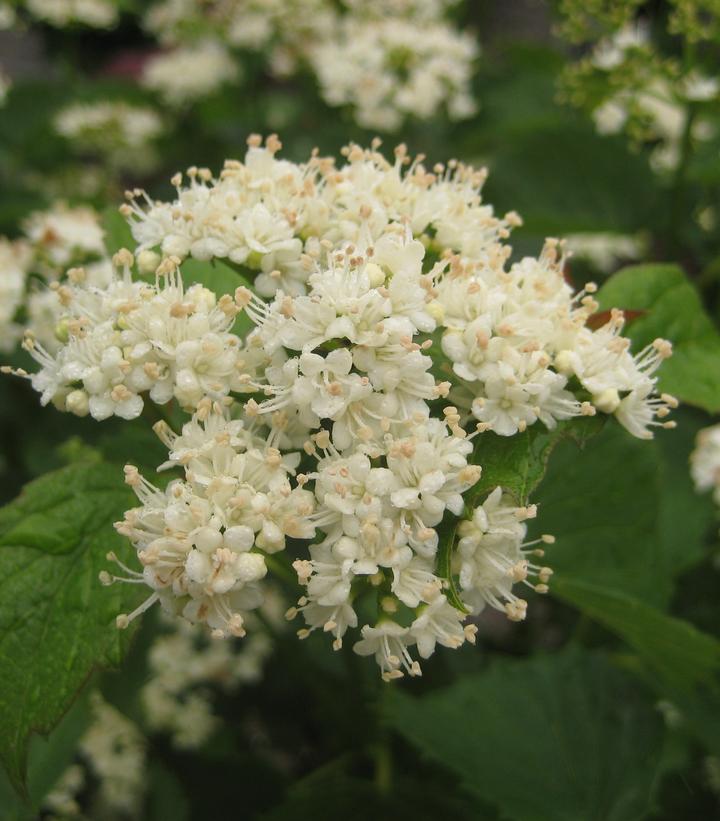
All June, Blue Muffin Viburnum (Viburnum dentatum) is 25% off at our Cedarburg garden center. Blue Muffin is a compact selection of arrowwood viburnum, a North American native species. White flower clusters in late spring give way to showy blue berries in late summer and fall, and the foliage finishes the year in red to reddish-purple tones. The 5–7 foot habit fits more yards than the larger arrowwoods that can reach eight or nine feet.
| Blue Muffin Viburnum Quick Facts |
| Discount |
25% off, all June, in-store only |
| Species |
Arrowwood viburnum (V. dentatum), a North American native |
| Mature Size |
5–7 ft tall × 4–6 ft wide |
| Hardiness |
USDA zones 3–8 (well within zone 5b) |
| Sun |
Full sun to part sun |
| Bloom |
White flower clusters, late spring |
| Berries |
Showy blue drupes in late summer/fall — eaten by birds |
| Fall Color |
Red to reddish-purple |
| Deer |
Generally deer-resistant (no plant is deer-proof) |
| Where to Shop |
In-store only at our Cedarburg garden center |
Please note: 25% off applies to Blue Muffin Viburnum only. Other viburnum varieties are at regular price. In-store at our Cedarburg location, not available on the online shop. While supplies last.
A Three-Season Native That Earns Its Keep
Arrowwood viburnum has a long horticultural track record as a tough, adaptable native shrub. Blue Muffin earns its keep on three counts: pollinators work the late-spring flowers, songbirds feed on the blue berries in late summer and fall, and the foliage finishes the year in red to reddish-purple. It is widely regarded as deer-resistant, though hungry deer in a hard winter may sample almost anything.
It’s a good pick for a low informal hedge, a foundation planting that won’t outgrow the front of the house, or a single accent at the edge of a perennial bed. Plant it in groups of three or five for the strongest hedge effect, or one on its own to anchor a corner.
Quick Tip: Plant Two for Better Berries
Blue Muffin sets a much heavier crop of berries when a different Viburnum dentatum selection is planted nearby for cross-pollination — that’s a note straight from the breeder. We carry Autumn Jazz Viburnum in the yard, another arrowwood that pairs well with Blue Muffin (Autumn Jazz is the larger of the two, around 8–9 feet, so plan for the size difference). The two cultivars need to bloom at the same time for pollinators to do the work, so timing matters. One Blue Muffin on its own will still flower and set some fruit, but a compatible pair gives you the full blue berry display.
Water deeply once a week through the first summer to get the roots established. After that, Blue Muffin handles average garden conditions without fuss. A spring layer of mulch and a light pruning every few years are all it asks for.
Stop By This June
Stop in this June while the selection is fresh. Blue Muffin moves quickly in our yard, especially once people see the berries starting to color up. Our crew can walk you through placement, talk through pairing it for cross-pollination, and help you load it into the car. While you’re here, the perennials are looking sharp and the rest of the shrub yard is at its early-summer best.
June Special
25% Off Blue Muffin Viburnum
All month at Heritage Hill Nursery in Cedarburg. Other viburnum varieties at regular price. In-store only. While supplies last.
Visit the Garden Center