Seasonal Tips, Specials
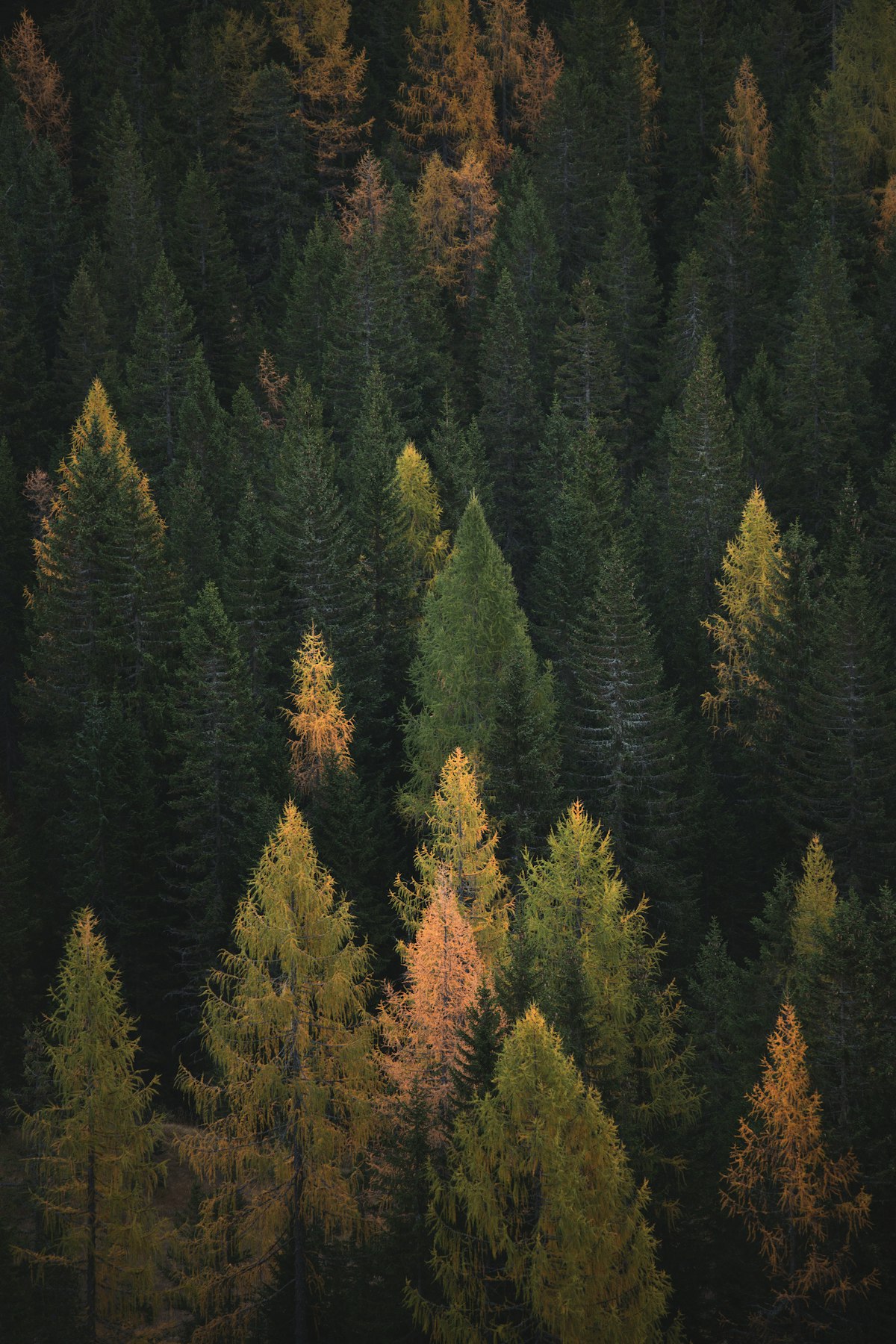
If you’ve got buckthorn on your property, fall is the ideal time to deal with it. This invasive shrub crowds out native plants, degrades wildlife habitat, and spreads aggressively through bird-dispersed berries. Here’s why November is prime time for removal and how to do it effectively.
Why Fall Is Ideal for Buckthorn Removal
Easy identification: Buckthorn is one of the last plants to hold its green leaves in fall. When everything else has dropped its foliage, buckthorn stands out like a sore thumb.
Herbicide effectiveness: In fall, plants are pulling nutrients down into their roots for winter storage. Herbicide applied to fresh cuts gets carried deep into the root system, giving you a much better kill rate.
Less collateral damage: Native plants are dormant, so there’s less risk of accidentally harming desirable species during removal.
Frozen ground access: As the ground firms up in late fall, you can get equipment into areas that would be too wet or soft earlier in the year.
How to Remove Buckthorn: 5 Steps
1
Identify and Map
Walk your property and mark the buckthorn. Look for shrubs and small trees with dark berries, glossy green leaves still hanging in November, and a distinctive dark bark. Note the size and density so you can plan your approach.
2
Cut the Stems
For small plants (under 1″ diameter), hand-pull when the soil is moist — try to get the roots. For larger plants, use loppers, a brush saw, or a chainsaw to cut stems as close to the ground as possible.
3
Treat the Stump Immediately
Within 15 minutes of cutting, apply a triclopyr-based herbicide (like Garlon 4 or a brush killer concentrate) directly to the fresh-cut stump surface. The freshly exposed wood absorbs the herbicide and carries it into the root system. If you wait too long, the cut surface dries and seals over.
4
Dispose of Cut Material
Pile cut brush and let it dry out, then burn it if local ordinances allow. Do NOT put berry-laden branches in your compost — the berries can remain viable and spread. Bag any berries or fruiting branches and dispose of them with your trash.
5
Plan for Follow-Up
Buckthorn is persistent. Check treated stumps in spring and summer for regrowth and re-treat as needed. Seedlings will appear for several years from the existing seed bank in the soil. Plan to do a walk-through each fall to catch new growth early.
Important Considerations
⚠️ Herbicide Safety: Always wear gloves, eye protection, and long sleeves when handling herbicides. Follow the product label instructions carefully — it’s the law. Apply on calm, dry days to prevent drift to non-target plants. Keep herbicides away from waterways, wetlands, and storm drains.
⚠️ Check Local Regulations: Some municipalities and counties have specific rules about herbicide use, burning brush, and invasive species management. Your county extension office or local DNR can provide guidance on best practices and any permits you may need. Minnesota and Wisconsin both have resources specifically for buckthorn management.
Specials
Thank you for another great season here at Heritage Hill Nursery. We appreciate everyone who came out to the yard this year and everyone who ordered from us online.
Starting November 1, the garden center is open by appointment only through the winter. Give us a call at 262-305-4045 and we’ll set up a time.
Fall clean-ups are available too. We’ll clear out leaves, debris, and dead plant material to prepare your beds for the season ahead. Includes cutbacks, edging, and fresh mulch as needed. Call us for more details, or read more about our grounds maintenance services.
Our online shop stays open all winter. Stock will vary through the winter months, so if something you’re looking for isn’t available, check back.
See you in the spring.
Warm regards,
The Heritage Hill Nursery Team
Specials
Our balled and burlapped crabapple trees are half price this month, and the concrete statues and pots are 25% off. There’s still time to get a tree in the ground before winter.
50% Off Balled and Burlapped Crabapple Trees
That’s every balled and burlapped crabapple we have. If a flowering crab has been on your list for the yard, this is a good year to do it. The soil is still warm, and a tree planted now has the rest of the fall to settle its roots. Come walk the rows with us and we’ll help you pick one out.
We’ve written care guides on a lot of crabapple varieties over the years: Donald Wyman, Spring Snow, Louisa, Firebird, Pink Sparkles, Purple Prince, Tina, Lollipop, Showtime. Not all of them are in the yard right now, so ask us what’s here.
No warranties on sale products. In-store only at our Cedarburg garden center.
25% Off Concrete Statues and Pots
Concrete statues and pots are 25% off in the garden center. Glazed and unglazed pottery isn’t part of this one.
In-store only at our Cedarburg garden center.
The Ribbons Are Still Up
If you haven’t been out since September, the ribbon sale is still going. Find a ribbon on a plant and the discount comes off at the register.
We’re at 10801 Pleasant Valley in Cedarburg. See you in the yard.
Visit the Garden Center
Specials
Cool mornings, warm soil. September gives southeast Wisconsin gardeners the best planting stretch of the year, and it’s also when the ribbons go up around the nursery.
The Ribbon Sale Is Happening Now
Walk the yard and you’ll find colored ribbons tied to plants throughout the nursery. Each color means a different discount. Four colors, four prices, nothing to bring with you and no code to remember. The ribbon on the plant does the work at the register.
| Ribbon Colors and Discounts |
|
Orange Ribbon |
25% off |
|
Hot Pink Ribbon |
35% off |
|
Blue Ribbon |
50% off |
|
Yellow Ribbon |
65% off |
Please note: No warranties on sale products. Ribbon pricing applies to in-store purchases at our Cedarburg garden center, not the online shop.
How to Shop It
There is no separate sale section to hunt down. The ribbons are tied to plants throughout the yard, mixed in with everything else, so the best approach is simply to walk the rows and look. A yellow ribbon on a shrub you already had your eye on is a good day.
Bring a list if you have one, but stay open. Part of the fun of a ribbon sale is finding something you weren’t shopping for at a price that makes the decision easy. If you are not sure whether a plant will work in your yard, ask. Our crew can tell you what it needs for sun, how big it gets, and whether it will hold up through a Wisconsin winter.
Why September Planting Works So Well in Zone 5b
The soil has been warming since June and it holds that heat well into October. Roots keep growing in warm ground long after the top of the plant has slowed down for the year. Cooler air means less stress on a new transplant and less watering for you. Put something in the ground this month and it spends the whole fall getting established. Water it deeply once a week until the ground freezes, and next spring it comes up like it has been there for years.
This is the reason a fall sale is worth paying attention to. A discounted plant in September is not a leftover, it is a plant going into the ground at the best possible time. Trees and shrubs in particular do better set out in fall than in the heat of midsummer, because they can put energy into roots instead of into holding leaves through a hot week.
Stop By This Month
The ribbons are up now. Come walk the yard, see what catches your eye, and let us help you get it home.
Happening Now
The Ribbon Sale
Orange 25% off. Hot pink 35% off. Blue 50% off. Yellow 65% off. No warranties on sale products. In-store only at our Cedarburg garden center.
Visit the Garden Center
Specials
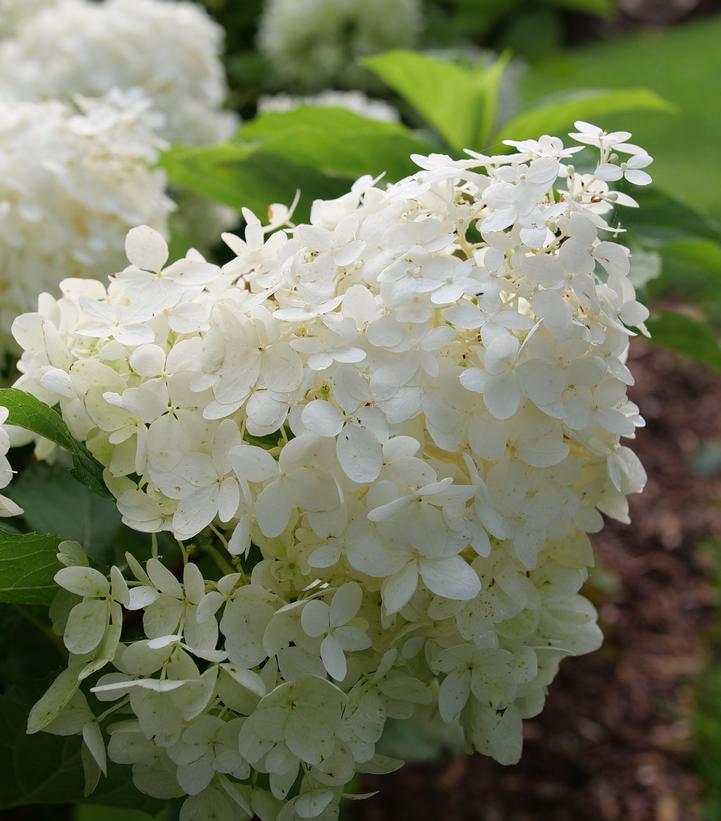
August belongs to the panicle hydrangeas. While much of the perennial bed is winding down from its midsummer push, these shrubs are just hitting full stride, and one of them is putting on a bigger show than the rest. This month our spotlight is on Puffer Fish Hydrangea.
August Special: 25% Off Puffer Fish Hydrangea
All August, Puffer Fish Hydrangea (Hydrangea paniculata ‘Puffer Fish’) is 25% off at our Cedarburg garden center. Puffer Fish is a compact panicle hydrangea from Proven Winners with fluffy white blooms so full they nearly hide the foliage. The stems are strong enough to hold those big flower heads upright, and the whole plant stays a manageable 3 to 5 feet tall and wide. As the season goes on, the flowers take on a green tint while a fresh sprig of white emerges from the tip of each panicle. Proven Winners has named it their 2027 Hydrangea of the Year.
| Puffer Fish Hydrangea Quick Facts |
| Discount |
25% off, all August, in-store only |
| Type |
Panicle hydrangea (H. paniculata), a Proven Winners selection |
| Mature Size |
3–5 ft tall × 3–5 ft wide |
| Hardiness |
USDA zones 3–8 (well within zone 5b) |
| Sun |
Full sun to part sun (at least 4 hours) |
| Bloom |
Fluffy white panicles, summer into early fall, aging to a green tint |
| Blooms On |
New wood, so it flowers reliably every year |
| Care |
Average water, adaptable to many soils, prune in late winter or early spring |
| Good For |
Specimen or focal point, containers, mass planting, cut and dried flowers |
| Where to Shop |
In-store only at our Cedarburg garden center |
Please note: 25% off applies to Puffer Fish Hydrangea only. Other hydrangea varieties are at regular price. The sale applies to on-site purchases at our Cedarburg location, not the online shop. While supplies last.
Bloom Cover That Earns the Name
Puffer Fish gets its name honestly. The breeder describes it as a larger, more puffed up version of their popular Bobo hydrangea, and the flower coverage backs that up. In full bloom the white panicles engulf the plant from top to bottom. You get the big hydrangea show without the big hydrangea footprint, since Puffer Fish tops out around 5 feet where many panicle types push well past that.
It works as a focal point near a patio or front walk, in a container, or massed in a row where the summer bloom reads from across the yard. The flowers hold up well cut for a vase, and they dry nicely too.
Quick Tip: New Wood Means No Guesswork
Puffer Fish blooms on new wood, meaning the current season’s growth. A hard Wisconsin winter won’t cost you next summer’s flowers, and pruning is simple: cut it back in late winter or early spring and it will bloom on schedule. The breeder notes it flowers regardless of climate, soil, or pH, which makes it one of the more forgiving hydrangeas you can plant in zone 5b.
Late summer is a fine time to get one in the ground. Water deeply once a week through fall so the roots establish before freeze-up, and it will take off on its own next spring.
Stop By This August
The best way to pick a hydrangea is to see it in bloom, and August is exactly the right month for that. Stop in and see Puffer Fish flowering in the yard. Our crew can help you choose a spot with enough sun, talk through spacing if you’re planting more than one, and load it into the car.
August Special
25% Off Puffer Fish Hydrangea
All month at Heritage Hill Nursery in Cedarburg. Other hydrangea varieties at regular price. In-store only. While supplies last.
Visit the Garden Center
Specials
July is the stretch of summer every Wisconsin gardener waits for. The beds are full, the daylilies and coneflowers are putting on their best show of the year, and the evenings in Cedarburg are finally warm enough to sit outside and do nothing at all. That last part matters more than we usually give it credit for.
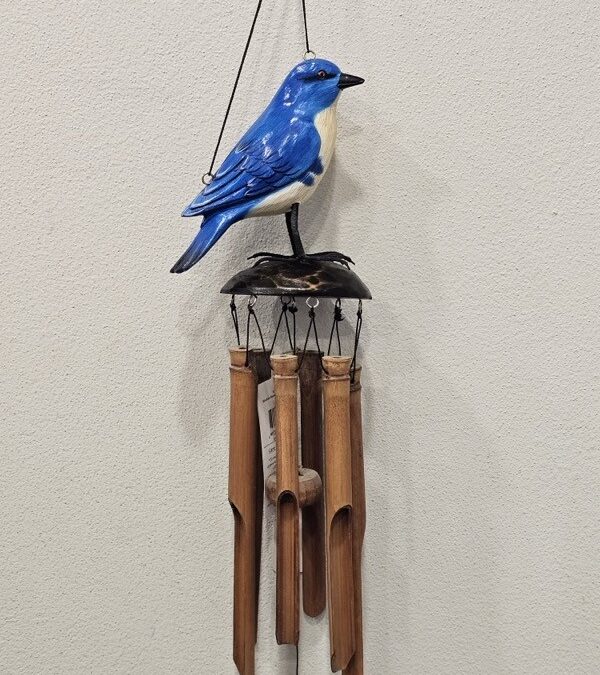
This month we are leaning into that idea. Our July special is 35 percent off every Cohasset bamboo wind chime in the shop, all month long.
About the Cohasset chimes
If you have not seen these up close, they are worth the trip. Each one is handcrafted in Bali from bamboo, coconut shell, and solid wood, then hand carved, hand painted, and hand tuned by the same family of artisans. The carved birds are done close to life size, and the designs run from bright songbirds to butterflies to the occasional animal. The bamboo tubes are tuned by ear to a soft, warm tone that carries on a breeze without ever getting loud enough to bother the neighbors. Because each set is tuned by hand, no two sound exactly alike.
The materials are part of the appeal. Bamboo and coconut are fast growing and sustainably sourced, and the artisans who make them are paid fairly for the work. You are buying a real piece of craft, not something stamped out by the thousands.
Why a wind chime, and why now
A chime is a small thing, but it changes how a garden feels. Hang one near the patio or a favorite bench and your yard picks up a soundtrack for those slow July evenings. It is the kind of detail that turns a space you work in into a place you actually want to sit. If you have been telling yourself to spend more time enjoying the garden this summer, this is a gentle push in that direction.
They make an easy gift, too. A bamboo chime suits just about anyone with a porch or a patio, which covers most summer birthdays and the occasional thank you for a neighbor who waters your tomatoes while you are away.
A little July garden planning
While you are thinking about that quiet corner, July is also a good time to look ahead to late season color so the view stays interesting into fall. If a bed looks thin right now, asters, sedums, and ornamental grasses planted this summer will carry it well into October. Walk the garden, mark the gaps, and you will thank yourself in September.
Come have a listen
The chime special is in-store only, so stop in and pick one out in person. Half the fun is standing in the aisle, giving a few a gentle push, and finding the one that sounds right to you. You will find us at 10801 Pleasant Valley in Cedarburg, open seven days a week through the summer: Monday through Friday 8 to 6, Saturday 8 to 4, and Sunday 10 to 4.
Not on our email list yet? Sign up at the bottom of the page and next month’s special will land in your inbox first.