Specials
August belongs to the panicle hydrangeas. While much of the perennial bed is winding down from its midsummer push, these shrubs are just hitting full stride, and one of them is putting on a bigger show than the rest. This month our spotlight is on Puffer Fish Hydrangea.
August Special: 25% Off Puffer Fish Hydrangea
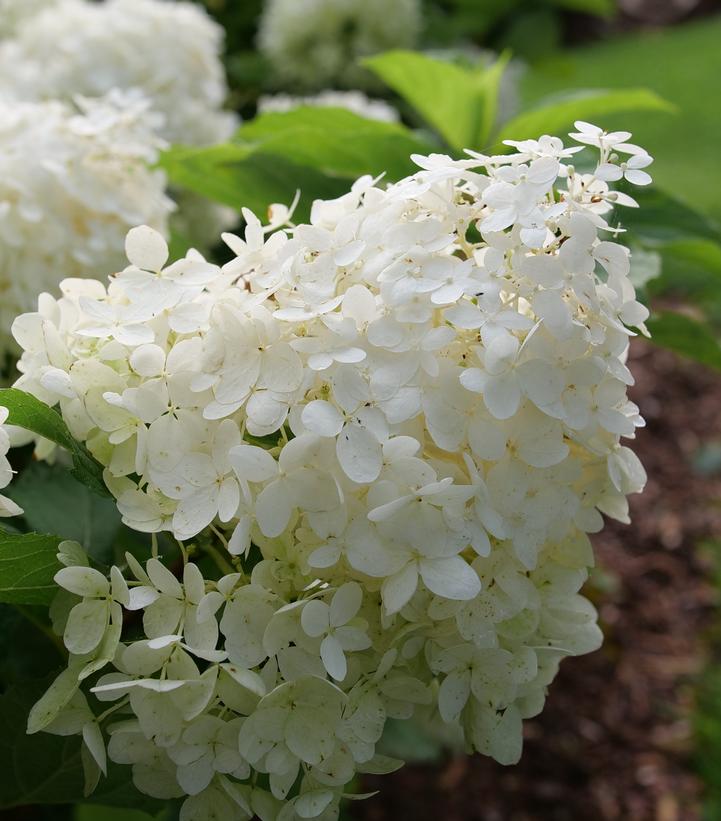
All August, Puffer Fish Hydrangea (Hydrangea paniculata ‘Puffer Fish’) is 25% off at our Cedarburg garden center. Puffer Fish is a compact panicle hydrangea from Proven Winners with fluffy white blooms so full they nearly hide the foliage. The stems are strong enough to hold those big flower heads upright, and the whole plant stays a manageable 3 to 5 feet tall and wide. As the season goes on, the flowers take on a green tint while a fresh sprig of white emerges from the tip of each panicle. Proven Winners has named it their 2027 Hydrangea of the Year.
| Puffer Fish Hydrangea Quick Facts |
| Discount |
25% off, all August, in-store only |
| Type |
Panicle hydrangea (H. paniculata), a Proven Winners selection |
| Mature Size |
3–5 ft tall × 3–5 ft wide |
| Hardiness |
USDA zones 3–8 (well within zone 5b) |
| Sun |
Full sun to part sun (at least 4 hours) |
| Bloom |
Fluffy white panicles, summer into early fall, aging to a green tint |
| Blooms On |
New wood, so it flowers reliably every year |
| Care |
Average water, adaptable to many soils, prune in late winter or early spring |
| Good For |
Specimen or focal point, containers, mass planting, cut and dried flowers |
| Where to Shop |
In-store only at our Cedarburg garden center |
Please note: 25% off applies to Puffer Fish Hydrangea only. Other hydrangea varieties are at regular price. The sale applies to on-site purchases at our Cedarburg location, not the online shop. While supplies last.
Bloom Cover That Earns the Name
Puffer Fish gets its name honestly. The breeder describes it as a larger, more puffed up version of their popular Bobo hydrangea, and the flower coverage backs that up. In full bloom the white panicles engulf the plant from top to bottom. You get the big hydrangea show without the big hydrangea footprint, since Puffer Fish tops out around 5 feet where many panicle types push well past that.
It works as a focal point near a patio or front walk, in a container, or massed in a row where the summer bloom reads from across the yard. The flowers hold up well cut for a vase, and they dry nicely too.
Quick Tip: New Wood Means No Guesswork
Puffer Fish blooms on new wood, meaning the current season’s growth. A hard Wisconsin winter won’t cost you next summer’s flowers, and pruning is simple: cut it back in late winter or early spring and it will bloom on schedule. The breeder notes it flowers regardless of climate, soil, or pH, which makes it one of the more forgiving hydrangeas you can plant in zone 5b.
Late summer is a fine time to get one in the ground. Water deeply once a week through fall so the roots establish before freeze-up, and it will take off on its own next spring.
Stop By This August
The best way to pick a hydrangea is to see it in bloom, and August is exactly the right month for that. Stop in and see Puffer Fish flowering in the yard. Our crew can help you choose a spot with enough sun, talk through spacing if you’re planting more than one, and load it into the car.
August Special
25% Off Puffer Fish Hydrangea
All month at Heritage Hill Nursery in Cedarburg. Other hydrangea varieties at regular price. In-store only. While supplies last.
Visit the Garden Center
Uncategorized
You have been planning since January. You started seeds in March, planted through May, and spent June weeding, watering, and watching for pests. Now it is July, and your garden is doing exactly what you asked it to do.
So this month, we are going to suggest something radical: slow down and enjoy it.
July in Southeast Wisconsin is peak garden season. The days are long. The light is warm. Everything is green and full and alive. Your perennials are putting on their biggest show of the year, and your vegetable garden is starting to produce in earnest. This is the payoff for all those cold months of planning.
Pull up a chair. Pour something cold. Sit in your garden for ten minutes and just look at what you have built.
What’s Blooming in Wisconsin Right Now
July Stars in Zone 5b Gardens
- Daylilies — at their absolute peak this month. Every color imaginable.
- Echinacea (Coneflowers) — the goldfinches love them as much as you do.
- Black-Eyed Susans — tough, cheerful, and just getting started.
- Hydrangeas — those big blooms are opening now on both old and new wood varieties.
- Bee Balm — a hummingbird magnet in red, pink, and purple.
- Shasta Daisies — classic white blooms that brighten up any border.
- Roses — repeat bloomers are hitting their second flush right about now.
- Lavender — fragrant, pollinator-friendly, and loving the summer heat.
If your garden feels a little sparse in July, take note. This is the perfect time to identify gaps so you can fill them with late-summer or fall-blooming perennials. Asters, sedums, and ornamental grasses will carry your garden well into October.
A Few Light Tasks (If You Must)
We are not saying ignore your garden completely. A few small efforts now keep things looking good without turning July into a chore.
Deadhead spent flowers on roses, daylilies, and annuals to encourage more blooms. It takes five minutes with a cup of coffee in your hand.
Water deeply in the morning if we go more than a week without rain. One good, deep soak beats daily light sprinkling every time.
Harvest your vegetables regularly. Zucchini left on the vine for two days turns into a baseball bat. Pick beans, cucumbers, and tomatoes often to keep the plants producing.
Sow a fall crop in early July. Lettuce, spinach, kale, radishes, and bush beans planted now will give you a second harvest when the weather cools in September.
That is it. Five minutes of deadheading, a morning watering session, and a trip to the veggie patch. The rest of July is yours.
Share What You See
We love seeing what is happening in your gardens. If something is blooming that makes you smile, snap a photo and share it with us on Facebook or bring it in when you visit. There is nothing better than a gardener excited about a plant that is doing its thing.
July goes fast. The days are already getting shorter, even if it does not feel like it yet. Enjoy this stretch. You earned it.
JULY SPECIAL
Bamboo Wind Chimes — 35% Off
Add a little sound to your garden retreat. Hand-tuned bamboo chimes that sound beautiful in a summer breeze.
See Our July Specials

Specials
July is the stretch of summer every Wisconsin gardener waits for. The beds are full, the daylilies and coneflowers are putting on their best show of the year, and the evenings in Cedarburg are finally warm enough to sit outside and do nothing at all. That last part matters more than we usually give it credit for.
This month we are leaning into that idea. Our July special is 35 percent off every Cohasset bamboo wind chime in the shop, all month long.
About the Cohasset chimes
If you have not seen these up close, they are worth the trip. Each one is handcrafted in Bali from bamboo, coconut shell, and solid wood, then hand carved, hand painted, and hand tuned by the same family of artisans. The carved birds are done close to life size, and the designs run from bright songbirds to butterflies to the occasional animal. The bamboo tubes are tuned by ear to a soft, warm tone that carries on a breeze without ever getting loud enough to bother the neighbors. Because each set is tuned by hand, no two sound exactly alike.
The materials are part of the appeal. Bamboo and coconut are fast growing and sustainably sourced, and the artisans who make them are paid fairly for the work. You are buying a real piece of craft, not something stamped out by the thousands.
Why a wind chime, and why now
A chime is a small thing, but it changes how a garden feels. Hang one near the patio or a favorite bench and your yard picks up a soundtrack for those slow July evenings. It is the kind of detail that turns a space you work in into a place you actually want to sit. If you have been telling yourself to spend more time enjoying the garden this summer, this is a gentle push in that direction.
They make an easy gift, too. A bamboo chime suits just about anyone with a porch or a patio, which covers most summer birthdays and the occasional thank you for a neighbor who waters your tomatoes while you are away.
A little July garden planning
While you are thinking about that quiet corner, July is also a good time to look ahead to late season color so the view stays interesting into fall. If a bed looks thin right now, asters, sedums, and ornamental grasses planted this summer will carry it well into October. Walk the garden, mark the gaps, and you will thank yourself in September.
Come have a listen
The chime special is in-store only, so stop in and pick one out in person. Half the fun is standing in the aisle, giving a few a gentle push, and finding the one that sounds right to you. You will find us at 10801 Pleasant Valley in Cedarburg, open seven days a week through the summer: Monday through Friday 8 to 6, Saturday 8 to 4, and Sunday 10 to 4.
Not on our email list yet? Sign up at the bottom of the page and next month’s special will land in your inbox first.
Uncategorized
June in Southeast Wisconsin means your garden is hitting its stride. Tomatoes are climbing, perennials are filling in, and the pollinators are busy. But this is also the month when garden pests start to make their move. Japanese beetles typically show up in SE Wisconsin by mid-to-late June, squash vine borers are on the wing, and aphid colonies can explode overnight in warm weather.
The good news? A few minutes of monitoring each week can save you hours of damage control later. Here is how to stay ahead of pest problems in your Zone 5b garden this June.
Where to Look for Pests
Most garden pests are predictable. They have favorite hiding spots, and once you know where to look, scouting becomes second nature.
Key Places to Check
- Undersides of leaves — Aphids, whiteflies, and spider mites cluster here where they are sheltered from rain and predators.
- Leaf tips and new growth — Soft new tissue is a magnet for aphids, thrips, and flea beetles.
- Base of squash and cucumber stems — Look for small holes and sawdust-like frass, a telltale sign of squash vine borers.
- Roses, lindens, and Japanese maples — Japanese beetles go for these first. Check the upper canopy where they like to feed in clusters.
- Soil surface around hostas and lettuce — Slugs hide under debris during the day. Flip over any nearby boards or mulch.
- Tomato stems and hornworm-prone foliage — Look for dark droppings on leaves below. Then look up. Hornworms blend in remarkably well.
How to Check: A Simple Weekly Routine
Pest monitoring does not need to be complicated. A consistent 10-minute walk through your garden once a week is all it takes.
1
Walk the Garden in the Morning
Early morning is best. Many pests are sluggish in cooler temps and easier to spot. Slugs are still out, and Japanese beetles have not yet taken flight. Bring a cup of soapy water for hand-picking.
2
Flip Leaves and Look for Eggs
Gently turn over 5-10 leaves per plant, especially on tomatoes, peppers, squash, and roses. You are looking for clusters of tiny eggs (often yellow, white, or bronze), sticky residue, or tiny crawling insects. Catching eggs early means you can wipe them off before they hatch.
3
Check for Damage Patterns
Skeletonized leaves (veins intact, tissue eaten) usually mean Japanese beetles. Irregular holes could be slugs or caterpillars. Stippled, bronzed leaves point to spider mites. Wilting squash runners with a healthy root system often signal vine borers inside the stem.
4
Note What You Find
Keep a simple tally. A few aphids on one plant is normal and beneficial insects will likely handle them. A rapidly growing colony across several plants means it is time to intervene. Tracking week over week helps you see trends before they become problems.
Preventive Action You Can Take Now
The best pest management starts before you ever see a bug. These strategies keep populations low so you rarely need to reach for a spray.
Build Your Garden’s Defenses
- Encourage beneficial insects. Ladybugs, lacewings, and parasitic wasps do a tremendous amount of work for free. Plant dill, fennel, yarrow, and sweet alyssum nearby to attract them.
- Use row covers on squash early. Floating row covers keep squash vine borers and cucumber beetles off your plants during the critical egg-laying period. Remove when flowers appear so pollinators can do their job.
- Mulch properly. A 2-3 inch layer of organic mulch suppresses weeds that harbor pests and keeps soil moisture consistent, reducing plant stress.
- Water at the base, not overhead. Wet foliage creates conditions that favor fungal diseases and some pest infestations. Drip irrigation or soaker hoses are ideal.
- Rotate crops. If you had squash vine borers last year, plant your squash in a different spot this year. Many pests overwinter in the soil near their host plants.
- Hand-pick Japanese beetles. Drop them into a bucket of soapy water. Do this daily in the morning when they are sluggish. Skip the beetle bag traps, which actually attract more beetles to your yard from surrounding areas.
When to Step It Up
A Word of Caution
Use targeted treatments only if pest populations are high and causing real damage. A few chewed leaves are not an emergency. Broad-spectrum insecticides kill beneficial insects too, which can make pest problems worse in the long run. If you do need to treat, opt for targeted solutions like Bt for caterpillars, neem oil for soft-bodied insects, or milky spore for Japanese beetle grubs in the lawn. Always read and follow label directions. Our team at Heritage Hill can help you choose the right product for your specific situation.
June Pest Calendar for SE Wisconsin
Here is what to watch for this month in the Cedarburg area:
- Early June: Aphids on roses and perennials, flea beetles on eggplant and brassicas, slugs after rainy stretches
- Mid-June: Japanese beetles begin emerging (typically around the summer solstice in our area), squash vine borer moths are active
- Late June: Tomato hornworms appear, spider mites increase in hot/dry conditions, Japanese beetle numbers peak
Staying on top of these timing windows gives you the best chance to intervene early, when it matters most.
Stop By Heritage Hill for Help
Not sure what is eating your plants? Bring in a sample (or snap a photo) and our staff can help you identify the pest and recommend the right approach. We carry organic and targeted pest control products, beneficial insect attractors, row covers, and everything else you need to keep your garden healthy this summer.
JUNE SPECIAL
Blue Kazoo Spirea — 25% Off
A compact, low-maintenance shrub with blue-green foliage that deer tend to leave alone. Great for borders and foundation plantings.
Read Our June Specials
Specials, Uncategorized
June settles the garden into its summer rhythm. The big spring rush has passed, perennials are filling in, and shrubs that flowered in late spring are setting fruit for the months ahead. This month we’re shining the spotlight on a compact, bird-friendly native shrub: Blue Muffin Viburnum.
June Special: 25% Off Blue Muffin Viburnum
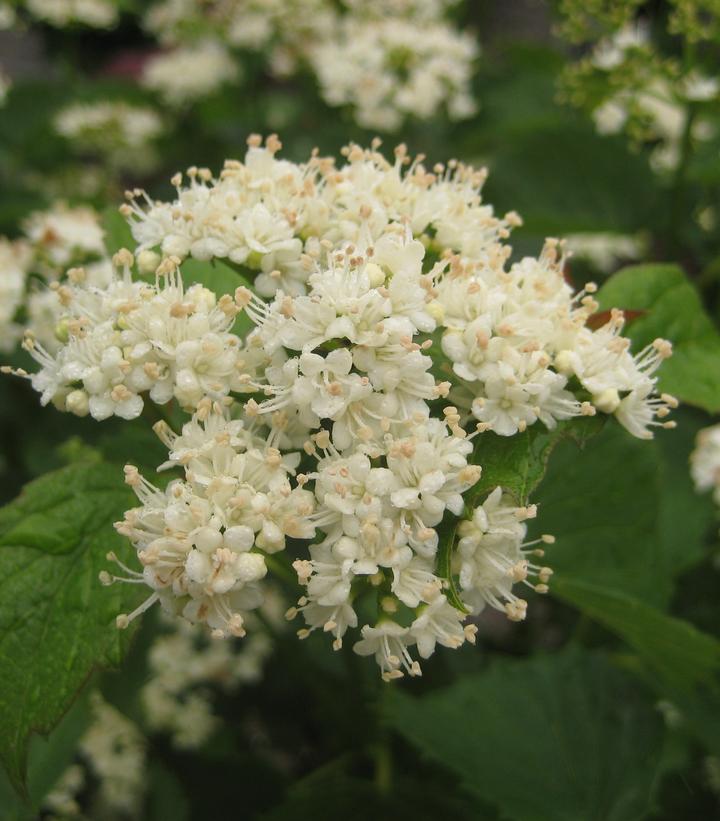
All June, Blue Muffin Viburnum (Viburnum dentatum) is 25% off at our Cedarburg garden center. Blue Muffin is a compact selection of arrowwood viburnum, a North American native species. White flower clusters in late spring give way to showy blue berries in late summer and fall, and the foliage finishes the year in red to reddish-purple tones. The 5–7 foot habit fits more yards than the larger arrowwoods that can reach eight or nine feet.
| Blue Muffin Viburnum Quick Facts |
| Discount |
25% off, all June, in-store only |
| Species |
Arrowwood viburnum (V. dentatum), a North American native |
| Mature Size |
5–7 ft tall × 4–6 ft wide |
| Hardiness |
USDA zones 3–8 (well within zone 5b) |
| Sun |
Full sun to part sun |
| Bloom |
White flower clusters, late spring |
| Berries |
Showy blue drupes in late summer/fall — eaten by birds |
| Fall Color |
Red to reddish-purple |
| Deer |
Generally deer-resistant (no plant is deer-proof) |
| Where to Shop |
In-store only at our Cedarburg garden center |
Please note: 25% off applies to Blue Muffin Viburnum only. Other viburnum varieties are at regular price. In-store at our Cedarburg location, not available on the online shop. While supplies last.
A Three-Season Native That Earns Its Keep
Arrowwood viburnum has a long horticultural track record as a tough, adaptable native shrub. Blue Muffin earns its keep on three counts: pollinators work the late-spring flowers, songbirds feed on the blue berries in late summer and fall, and the foliage finishes the year in red to reddish-purple. It is widely regarded as deer-resistant, though hungry deer in a hard winter may sample almost anything.
It’s a good pick for a low informal hedge, a foundation planting that won’t outgrow the front of the house, or a single accent at the edge of a perennial bed. Plant it in groups of three or five for the strongest hedge effect, or one on its own to anchor a corner.
Quick Tip: Plant Two for Better Berries
Blue Muffin sets a much heavier crop of berries when a different Viburnum dentatum selection is planted nearby for cross-pollination — that’s a note straight from the breeder. We carry Autumn Jazz Viburnum in the yard, another arrowwood that pairs well with Blue Muffin (Autumn Jazz is the larger of the two, around 8–9 feet, so plan for the size difference). The two cultivars need to bloom at the same time for pollinators to do the work, so timing matters. One Blue Muffin on its own will still flower and set some fruit, but a compatible pair gives you the full blue berry display.
Water deeply once a week through the first summer to get the roots established. After that, Blue Muffin handles average garden conditions without fuss. A spring layer of mulch and a light pruning every few years are all it asks for.
Stop By This June
Stop in this June while the selection is fresh. Blue Muffin moves quickly in our yard, especially once people see the berries starting to color up. Our crew can walk you through placement, talk through pairing it for cross-pollination, and help you load it into the car. While you’re here, the perennials are looking sharp and the rest of the shrub yard is at its early-summer best.
June Special
25% Off Blue Muffin Viburnum
All month at Heritage Hill Nursery in Cedarburg. Other viburnum varieties at regular price. In-store only. While supplies last.
Visit the Garden Center