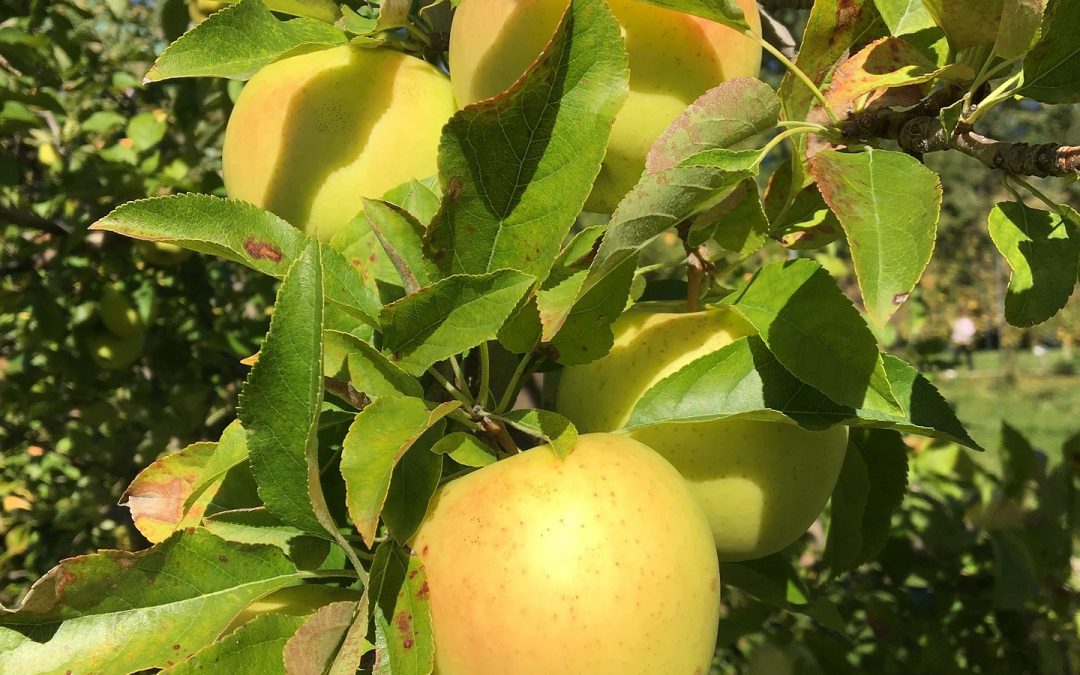
The Honeygold Apple Tree is an all-around favorite for planters of trees everywhere. Its cold hardy strength is perfect for zones 4 and 5. Its fruit is similar to the taste of Honeycrisp apples but since it is a hardy tree it is a favorite in the northern part of the country and offers a great apple taste in the coldest of climates where other apple trees may fail.
Its large harvest and sweet taste will put you in apple heaven. The Honeygold is a large producer of apples and you will be surprised of its harvest in late September through October. In addition, you’ll get a honey taste that isn’t tart and you can enjoy that by itself or in any dessert.
You will benefit from its easy care and large harvests that are its trademark. Year after year the Honeygold will produce fast fruit and a lovely looking tree. Try one of these Honeygold apple trees and experience the difference.
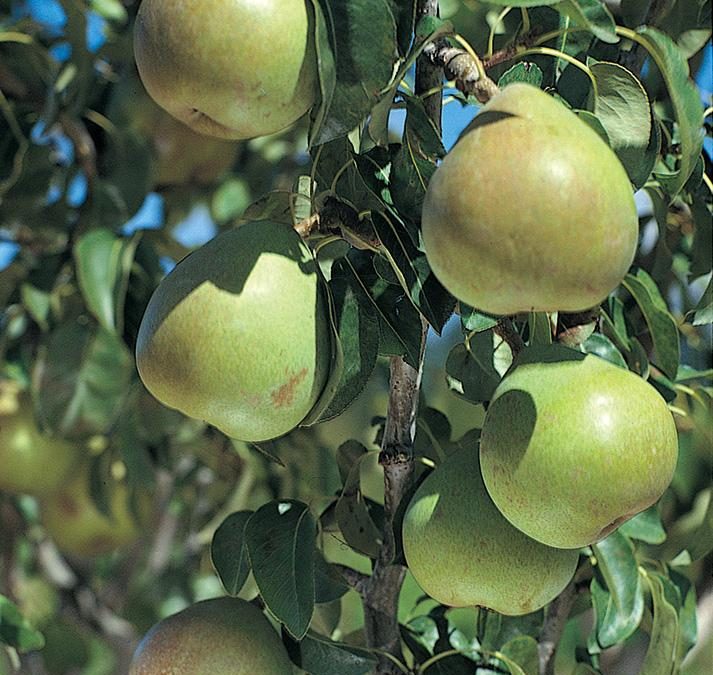
Also known as the Williams’ pear in Europe, the Bartlett is most popular with its delicious, juicy and sweet fruit. Origins go back as far as the 1400s. Bartlett Pear trees are fast-growing and long-lived. You’ll enjoy this tree and its fruit for a lifetime.
The tree can survive in suburban and urban environments as it seems to shrug off most urban pollutants. You can grow just one and still end up with a large harvest of quality pears. Helpful hint, you’ll get even more fruit if you plant another nearby as they will pollinate with each other.
Bartlett Pear trees have tiny white blossoms that emerge during the springtime. They have a round, bell shaped, golden-green skin on their fruit which contains the sweetness inside. The tree is an exceptional tree to have not only for its fruit but for its beauty and character. Grab one while they last at Heritage Hill Nursery in Cedarburg, WI.
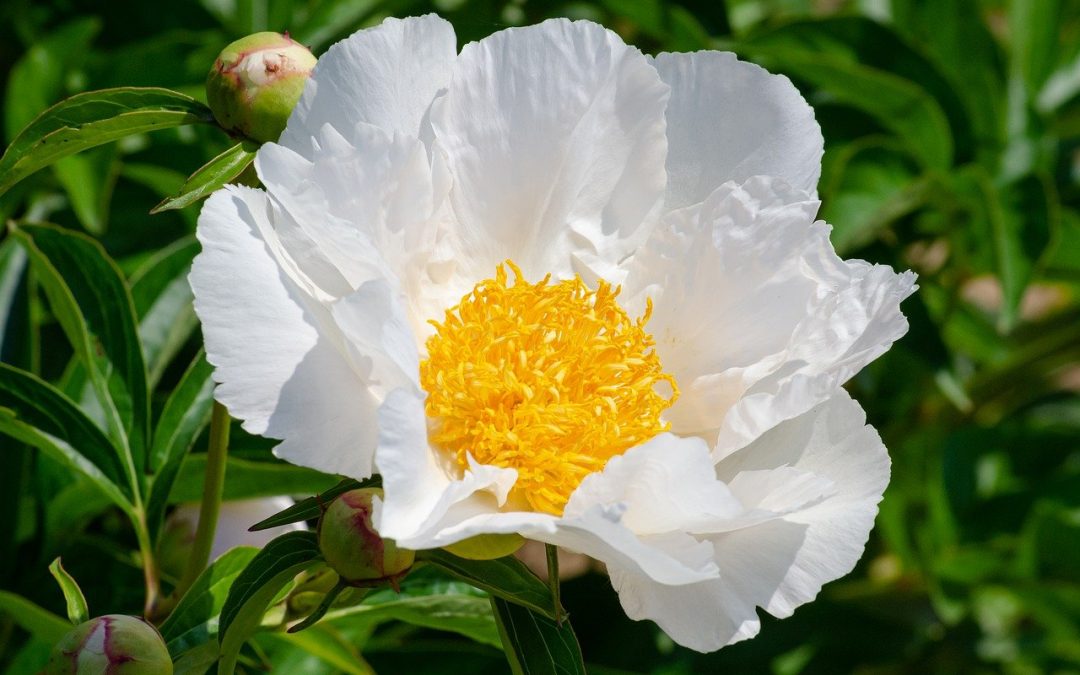
Wouldn’t you love to have your own florist picked bouquets from your own yard? If you have a small space to devote to plants start out with the Krinkled White Peony. If you want hardy flowers, just a few feet will allow this beautiful plant to thrive.
The white petals surround a tuft of bright yellow stamens that look like an upscale picture of a fried egg, if you will. Long stems are also just like the florist cut style. Peonies are truly hardy. They come back year after year for over 50 years. And, with each year they become more sturdy and more plentiful.
You can do so much with these as either a small specimen or a mass planting. Either way you won’t be disappointed and you may want to cut florist style flowers for all your friends and neighbors.
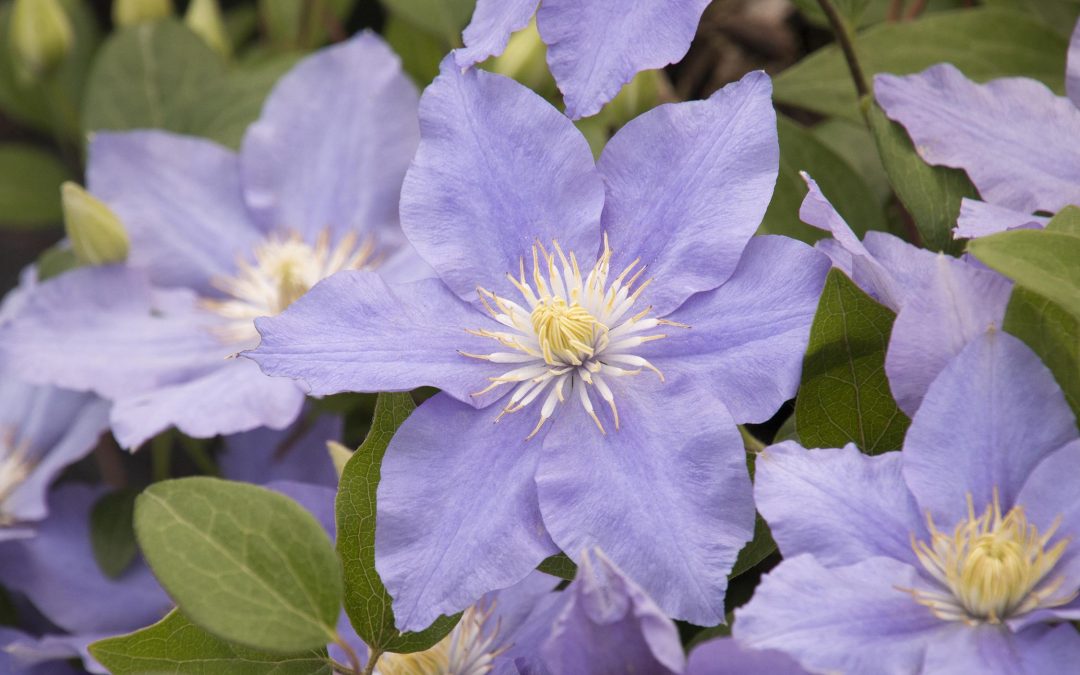
Try enhancing your landscape with plants that like to work hard and be delightful at the same time. Boulevard® Zara™ Clematis is an elegant plant that will find its way to fit beautifully into your design. Even though the description says petite, the Zara will shine from early summer clear into the fall with full blooms that are a pale lilac blue. Sepals that overlap give them a very lush look combined with their flowers.
This versatile flower is great for patio use as well as in a garden. It makes a visual impact without taking up much space.
An excellent ground cover, the Zara stretches and expands with leafy stems that wind along narrow supports. If you wish the Zara to climb, you must support the structure with coated landscape wire first. after that it will climb. Check this one out at Heritage Hill Nursery today.
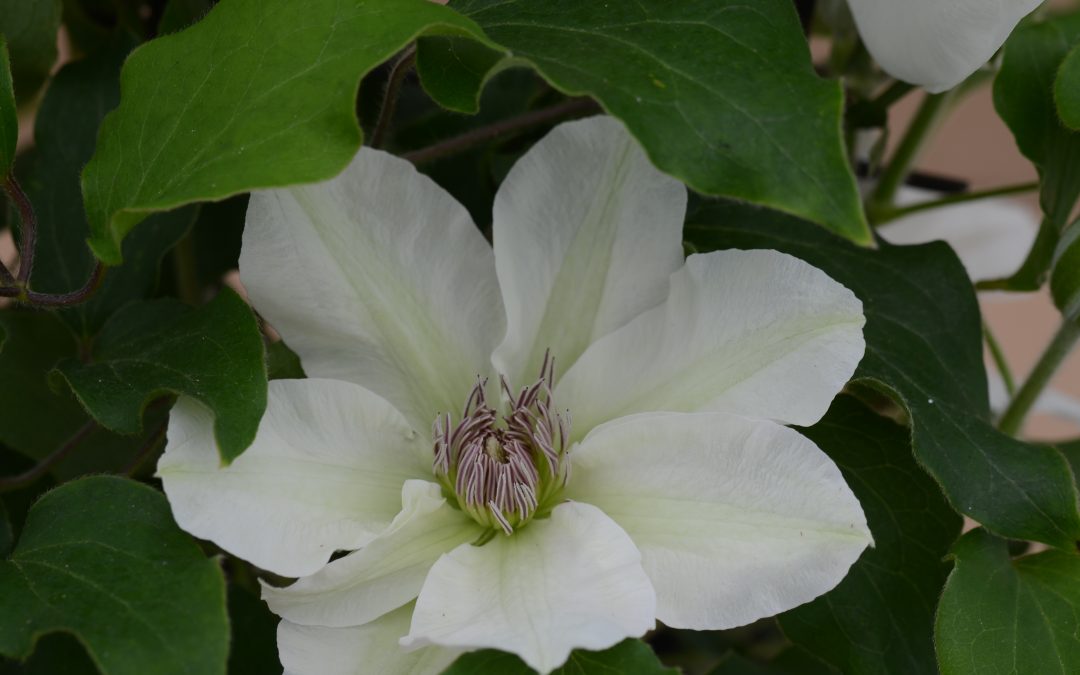
First shown at the 2017 Chelsea Flower show the large white sepals of the Boulevard Kitty were a huge success. These sepals are touched lightly with a green blush and surround dark, purple-tipped anthers.
The elegant and stylish perennial finds a suitable home wherever it is planted. It can create a scene by partnering her next to a patio of Tropicals or maybe near indoor-outdoor fruit trees.
Winter temps do not hurt the blooms as this hardy clematis comes back year after year. The preference of this lovely ornament is a partially shaded area and would also prefer about 4 to 5 hours of sun a day.
The Boulevard Kitty is some of the best of modern-day breeding and we are happy to offer this special plant. Oh, and local pollinators will appreciate it, too.