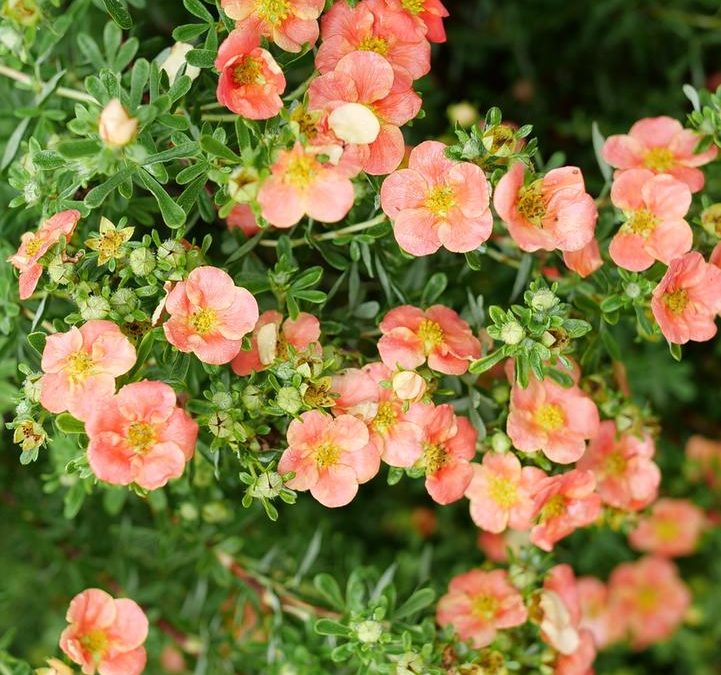
Common Name: Happy Face® Hearts Potentilla
Bloom Time: Late spring through frost (May–October)
USDA Zones: 2–7 (exceptionally hardy in Southeast Wisconsin)
Mature Size: 2–3 ft. tall × 2–3 ft. wide
Habit: Compact, rounded shrub
Flower Color: Cheerful yellow to orange blooms with soft red highlights
Introduction
When many shrubs are finishing their show, Happy Face® Hearts Potentilla is just getting started. Blooming reliably from late spring until the first frost, this tough, sun-loving shrub offers a months-long display of cheerful flowers against tidy green foliage. Known for its resilience, adaptability, and ease of care, it’s one of the most versatile flowering shrubs for Wisconsin gardens. Whether you’re planting a pollinator-friendly border, a foundation accent, or a low-maintenance landscape design, this potentilla delivers season-long color with very little upkeep.
Heritage Hill Nursery offers several outstanding potentilla selections, including Happy Face® Orange Potentilla—a close cousin with the same carefree performance and vibrant blooms. Explore it here:
https://heritagehillnurseryinc.com/product/potentilla-fruticosa-happy-face-orange/
Origins & Description
Potentilla, sometimes called shrubby cinquefoil, is native to cooler regions of the Northern Hemisphere, where it thrives in open meadows, prairies, and mountain slopes. Bred selections like Happy Face® Hearts were introduced to improve both flower size and color vibrancy while maintaining the species’ rugged toughness.
The shrub’s dense, mounded habit makes it an excellent choice for low hedges, mixed borders, or mass plantings. Each bloom is a bright splash of yellow-orange with red undertones, producing a warm, glowing effect that shifts with the angle of the sun. The fine-textured, fern-like foliage stays fresh and green all summer, even in hot or dry spells, giving the plant ornamental value long after peak bloom.
Ideal Growing Conditions (Southeast Wisconsin Focus)
-
Light: Full sun is best—at least 6 hours per day ensures maximum blooms.
-
Soil: Adaptable to a wide range of soils, from sandy to clay. Good drainage is essential.
-
Moisture: Once established, it is quite drought-tolerant. Regular watering the first year promotes strong root systems.
-
pH: Tolerates acidic to slightly alkaline soils (pH 5.5–7.5).
-
Hardiness: Withstanding Wisconsin winters down to –40°F, it’s one of the hardiest flowering shrubs available.
Planting & Establishment
Timing: Best planted in spring or early fall. Both allow roots to establish before stress from summer heat or deep winter cold.
How to Plant:
-
Dig a hole twice the width of the container and equal depth.
-
Place shrub so the crown sits level with the surrounding soil.
-
Backfill with native soil, firm gently, and water thoroughly.
-
Apply a 2–3 inch mulch layer around the base, keeping mulch 2 inches away from stems to prevent rot.
Spacing: Plant 2–3 feet apart if used in groupings or as a hedge to allow air circulation and natural form.
Care & Maintenance
-
Watering: Water deeply once a week during dry spells in the first year. Mature plants are drought-tolerant and rarely need supplemental watering except in prolonged drought.
-
Fertilizer: Minimal needs. A light application of balanced fertilizer in spring promotes fresh growth and abundant bloom.
-
Pruning: After bloom, lightly trim to maintain shape. In early spring, remove any dead wood or weak stems to encourage vigorous new shoots.
-
Pests/Disease: Naturally resistant to most pests and diseases. Rarely troubled by deer or rabbits, making it an excellent choice for wildlife-heavy areas.
-
Longevity: With minimal care, potentilla can thrive for decades, making it a long-term landscape investment.
Propagation
Potentilla can be propagated by softwood cuttings in summer or by division in spring, although most gardeners prefer to purchase named cultivars to ensure flower color consistency.
Landscape Uses & Companions
-
Foundation Planting: Use as a colorful, low-growing shrub near the house, where its season-long bloom softens hard edges.
-
Mass Planting: Ideal for slopes or large open beds where you want a bright, continuous display of color.
-
Pollinator Gardens: Flowers provide nectar for bees, butterflies, and hoverflies.
-
Mixed Borders: Combine with shrubs like spirea, dwarf lilac, or ninebark for continuous bloom sequences.
-
Companions: Pairs beautifully with ornamental grasses, daylilies, salvia, and coneflowers.
Seasonal Calendar (Wisconsin)
-
April–May: Spring cleanup; light fertilizer.
-
Late May–June: First flush of flowers begins.
-
July–September: Continuous flowering with light deadheading or shaping.
-
October: Still blooming until frost; foliage remains attractive.
-
Winter: No care needed—shrubs rest quietly until spring.
Troubleshooting
-
Sparse Bloom: Usually due to too much shade. Move to a sunnier spot for more flowers.
-
Overgrown Shape: Can be rejuvenated by cutting one-third of the plant back in early spring.
-
Yellowing Leaves: Often a sign of waterlogged soil. Ensure good drainage.
Ecological & Garden Value
-
Pollinators: Supports local bee populations and provides nectar late into fall when other plants fade.
-
Wildlife Resistance: Deer and rabbits generally avoid it.
-
Low-Maintenance: A true “plant it and forget it” shrub once established.
-
Climate Resilience: Cold-hardy and tolerant of drought, heat, and poor soils, making it an all-star for challenging Wisconsin sites.
Ready to Plant?
If you’re looking for a carefree, long-blooming shrub that provides reliable color and pollinator value, Happy Face® Hearts Potentilla is an ideal choice. At Heritage Hill Nursery, you can also explore close relatives like the Happy Face® Orange Potentilla, available here:
https://heritagehillnurseryinc.com/product/potentilla-fruticosa-happy-face-orange/
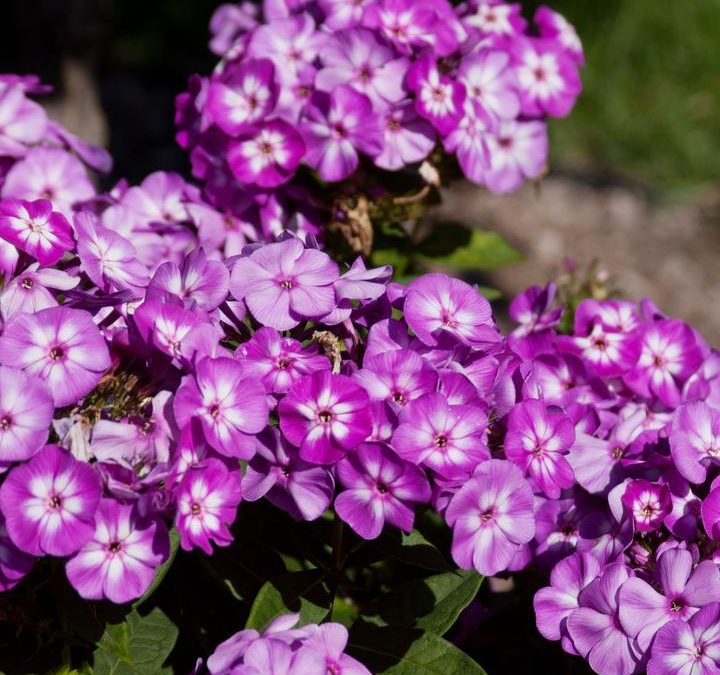
Common Name: Grape Lollipop Garden Phlox
Bloom Time: Mid-summer through early fall (July–September)
USDA Zones: 3–8 (reliably hardy in Southeast Wisconsin)
Mature Size: 18–24 in. tall × 18–24 in. wide
Habit: Compact, upright clump with rounded flower heads
Fragrance: Sweet, classic phlox scent
Introduction
Just when many perennials are starting to slow down, Grape Lollipop Phlox shifts into high gear with dome-shaped clusters of saturated, grape-purple flowers. Its compact habit, excellent color retention, and improved disease performance make it a go-to choice for late summer color in Southeast Wisconsin. Whether you’re refreshing a cottage border, brightening a pollinator bed, or planting a mixed container for the patio, this cultivar brings reliable, high-impact bloom with far less fuss than older phlox varieties.
Looking to plant this season? Heritage Hill Nursery carries Phlox paniculata ‘Grape Lollipop’—see it here:
https://heritagehillnurseryinc.com/product/phlox-paniculata-grape-lollipop/
Origins & Description
Phlox paniculata is the classic “garden phlox,” valued for tall stems topped with fragrant flower panicles that attract butterflies, bees, and hummingbirds. The ‘Grape Lollipop’ selection (botanical name ‘Ditomsur’) refines that formula: it stays neatly compact (generally under two feet), holds rounded, lollipop-like flower heads, and colors up in a deep grape-purple that reads vividly from a distance. Individual florets are five-petaled and can show a faintly lighter halo or small eye toward the center, adding dimension. Sturdy, medium-green foliage forms a dense mound that helps the plant look tidy even between bloom flushes.
Another advantage of this cultivar is its improved garden performance relative to older tall phlox—especially in regard to foliar diseases when given proper spacing and air flow. For home gardeners, that translates to a plant that maintains attractive leaves while pumping out blooms for weeks.
Ideal Growing Conditions (Southeast Wisconsin Focus)
-
Light: Full sun (6+ hours) yields the strongest stems, tightest habit, and most abundant flowers. In very hot exposures, a touch of afternoon shade is fine and can extend bloom.
-
Soil: Best in moist, well-drained, fertile soils. Work in 2–3 inches of compost before planting to boost structure and water-holding capacity, particularly in sandy or heavy clay sites common in our region.
-
pH: Slightly acidic to neutral (approx. 6.0–7.0) is ideal, but this phlox is adaptable if drainage and fertility are good.
-
Water: Keep evenly moist during active growth; aim for about 1 inch of water per week from rain or irrigation. Consistency helps maximize flower size and longevity.
-
Airflow: Good air circulation is essential. Space plants 18–24 inches apart and avoid crowding with bulky neighbors; this dramatically reduces mildew pressure.
-
Hardiness: Winter hardy across Southeastern Wisconsin. A light mulch after the ground freezes (late fall) helps moderate freeze-thaw cycles.
Planting & Establishment
Timing: Plant in spring after the last hard frost or in early fall (late August–September) so roots can establish while the soil is warm. Early fall planting is particularly effective here; roots keep growing into October even as tops slow down.
How to Plant:
-
Dig a hole twice as wide as the root ball and as deep as the pot.
-
Set the crown level with the surrounding soil—don’t bury the stems.
-
Backfill with native soil amended with compost, firm gently, and water thoroughly.
-
Top with 2–3 inches of organic mulch, keeping mulch 1 inch off the stems.
Aftercare, Year 1: Water deeply whenever the top couple inches of soil dry out. Consistent moisture in the first season sets the stage for a fuller plant and heavier bloom the following summer.
Care & Maintenance
-
Watering: Once established, water during dry spells to maintain steady growth and prevent stress-related leaf issues. Morning watering at the soil line (soaker hose or drip) is ideal.
-
Feeding: In early spring, scratch in a balanced, slow-release fertilizer or a thin layer of compost. Avoid high-nitrogen spikes midseason, which can push soft foliage at the expense of flowers.
-
Deadheading: Clip away spent flower heads to encourage a lighter rebloom and keep the plant looking tidy.
-
Cutback: In late fall after a hard frost or in early spring, cut stems back to 2–4 inches. Removing old stems improves airflow around the new shoots.
-
Division: Every 3–4 years, divide clumps in early spring to maintain vigor and produce additional plants. Replant divisions at original depth and water well.
-
Pests & Disease: Modern selections like ‘Grape Lollipop’ hold foliage well when spaced correctly. Still, practice good hygiene—clean up fallen leaves in autumn and water at soil level. If deer or rabbits are active in your area, consider a repellent during tender spring growth.
Design Ideas & Companions
-
Front-to-Mid Border Color: The smaller size of ‘Grape Lollipop’ fits perfectly at the front or mid border where traditional tall phlox might loom.
-
Pollinator Beds: Its nectar-rich blooms are excellent for butterflies, bees, and hummingbirds. Place near Echinacea, Monarda, Agastache, or Rudbeckia to build a succession of summer-to-fall food sources.
-
Texture Pairings: Contrast the rounded flower heads against fine grasses like Panicum ‘Northwind’ or Schizachyrium scoparium; the airy blades frame the bold color and extend interest into autumn.
-
Containers: In a 16–20″ patio pot, combine ‘Grape Lollipop’ with a mounded silver foliage plant (like Artemisia or Helichrysum) and a trailing accent (such as Calibrachoa) for long-season impact.
-
Color Palettes:
-
Monochrome: Pair with salvias and purple coneflowers for a cool violet scheme.
-
Complementary: Add golden yellows (e.g., Coreopsis, Helenium) for high-contrast pop in late summer.
-
Soft Pastels: Soften with pale pinks and whites (e.g., Phlox ‘David’, Shasta daisy) to create an evening-friendly border.
Seasonal Calendar (Southeast Wisconsin)
-
March–April: Clean up old stems; top-dress with compost; apply slow-release fertilizer.
-
May–June: Monitor moisture as growth accelerates; ensure spacing remains open around the plant.
-
July–September: Peak bloom. Deadhead spent clusters to neaten and extend the show.
-
October: Continue watering until the ground starts to freeze if rainfall is scarce—roots still grow in warm soil.
-
Late Fall: After a killing frost, cut back and mulch lightly once the ground has cooled.
Troubleshooting Tips
-
Powdery Mildew: Most often a spacing/airflow issue. Widen spacing, thin nearby plant bulk, water at soil level, and avoid overhead irrigation late in the day.
-
Flop/Lean: Rare with this compact cultivar. If it occurs after storms, a low, unobtrusive hoop support added early in the season can help.
-
Sparse Bloom: Typically from insufficient sun or over-rich nitrogen. Move to a brighter spot and use balanced feeding next spring.
-
Short Bloom Window: Deadhead promptly, maintain even moisture, and avoid severe drought stress to keep flowers coming.
Ecological & Garden Value
‘Grape Lollipop’ is a pollinator powerhouse at a time of year when fresh nectar is essential. Its continuous, fragrant bloom supports a range of beneficial insects, while the compact habit allows gardeners with smaller spaces to contribute meaningfully to backyard biodiversity. Because this cultivar holds foliage well, it also provides a more attractive, low-maintenance presence in ornamental beds through late season.
Ready to Plant?
Bring late-summer color to your garden with Phlox paniculata ‘Grape Lollipop’ (PP21,109)—compact, fragrant, and floriferous.
Shop it here: https://heritagehillnurseryinc.com/product/phlox-paniculata-grape-lollipop/
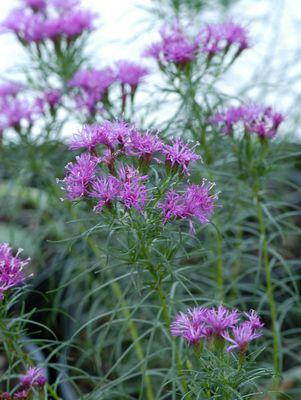
Common Name: Prairie Ironweed
Bloom Time: Late summer (August–September)
USDA Zones: 3–9
Mature Size: 4–6 ft tall × 2–3 ft wide
Introduction
As summer wanes and many garden perennials begin to fade, Prairie Ironweed emerges in glorious purples, casting tall, wispy plumes of nectar-rich flowerheads atop sturdy stems. A true native of Midwestern prairies, Vernonia fasciculata brings vertical interest, wildlife value, and late-season drama to South East Wisconsin landscapes. In this spotlight, we’ll delve into its natural history, cultural needs, care guidelines, and inspiring landscape uses—everything you need to showcase Ironweed at Heritage Hill Nursery from August 22 through August 31.
Origins and Description
Native to prairies, meadows, and streambanks of the central and eastern United States, Prairie Ironweed has long been prized for its hardiness and bold form. Unlike its cousin, Vernonia noveboracensis, which often nods its heads, V. fasciculata maintains an upright, saxophone-like posture. Narrow, lance-shaped leaves cluster along stiff, reddish stems. In late summer, terminal clusters of tiny, tubular florets—each only ⅓″ across—collectively form airy corymbs measuring 3–5″ across. The intense magenta-purple hue unfolds in waves, attracting bees, butterflies (notably Monarchs and Swallowtails), and even hummingbirds.
Ideal Growing Conditions
-
Light: Full sun (at least 6–8 hours daily) ensures robust flowering and strong stem development.
-
Soil: Adaptable to a variety of soils—from sandy loams to heavier clays—as long as it’s well-drained. Ironweed tolerates occasional wet feet, making it suitable for rain gardens and bioswales.
-
pH: Prefers neutral to slightly acidic soils (pH 6.0–7.0).
-
Moisture: Consistent moisture throughout the growing season promotes larger blooms; however, established plants withstand short droughts.
-
Hardiness: Withstands Wisconsin’s winter lows (down to –40°F in Zone 3) once established. A late-fall mulch helps protect crowns from freeze–thaw cycles.
Planting and Establishment
-
Timing: Plant in spring after danger of frost has passed (mid-April–May) or in early fall (late September–early October).
-
Site Preparation: Clear the area of weeds and grass competition. Amend heavy soils with compost (up to 25% by volume) to improve structure.
-
Planting: Dig a hole twice as wide as the root ball and of equal depth. Position the crown level with surrounding soil. Backfill gently, firming soil to eliminate air pockets.
-
Mulching & Watering: Apply a 2″–3″ layer of organic mulch, keeping it an inch from the stem base. Water deeply at planting, then about 1″ per week until established (two growing seasons).
Care and Maintenance
-
Watering: Use drip irrigation or soaker hoses to maintain even soil moisture in summer. Reduce watering once plants mature.
-
Fertilization: Ironweed rarely needs fertilization if planted in average soils. If growth is slow, a light spring application of a balanced, slow-release fertilizer encourages vigor.
-
Staking: In windy sites or if crowded, consider discreetly staking stems to prevent lodging.
-
Pest & Disease: Generally pest-free. Good spacing (2–3′ apart) and air circulation reduce the risk of powdery mildew.
Pruning and Propagation
-
Pruning: Cut back spent flower stalks after bloom to tidy the garden and potentially encourage a light rebloom. In late fall or early spring, cut stems to 6″ above ground to encourage fresh growth.
-
Division: Every 3–4 years, divide large clumps in early spring. This refreshes vigor and provides additional plants for the landscape.
-
Seed: Ironweed self-seeds readily—collect seeds in autumn for sowing in flats or direct sow in prepared beds. Stratification for 60–90 days improves germination.
Landscape Uses and Companions
-
Prairie & Meadow Gardens: The quintessential tallgrass prairie component, Ironweed adds late-season color and supports pollinators.
-
Rain Gardens & Bioswales: Its tolerance for moisture fluctuations makes it perfect for managing stormwater while providing habitat value.
-
Back of Border: Use as a tall, textural backdrop behind shorter late-summer bloomers.
-
Cut Flowers & Dried Arrangements: Sturdy stems and vibrant flowerheads make excellent fresh or dried cut blooms.
Companion Plants:
-
Grasses: Little Bluestem (Schizachyrium scoparium), Switchgrass (Panicum virgatum)
-
Perennials: Obedient Plant (Physostegia virginiana), New York Ironweed (Vernonia noveboracensis), Joe-Pye Weed (Eutrochium purpureum), Purple Prairie Clover (Dalea purpurea)
Ecological Benefits
-
Pollinators: Nectar source for bees, butterflies, and hummingbirds.
-
Wildlife: Provides late-season forage; seed heads attract songbirds in autumn.
-
Soil Health: Deep roots stabilize soil and improve structure over time.
Conclusion
Prairie Ironweed stands tall—both literally and figuratively—as a multi-functional, show-stopping perennial for South East Wisconsin gardens. Whether you’re planting a native meadow, enhancing a rain garden, or seeking a late-summer focal point, Vernonia fasciculata delivers color, height, and ecological value.
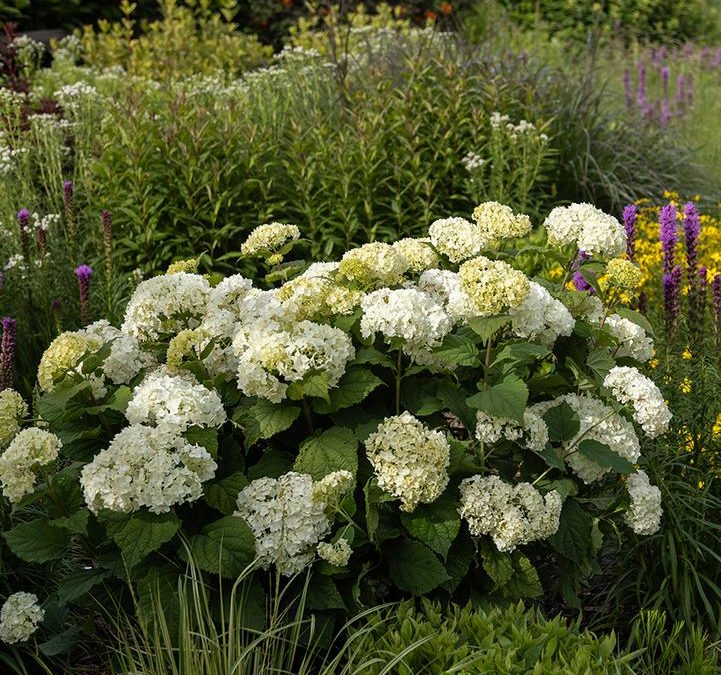
Trade Name: FlowerFull® Smooth Hydrangea
Common Name: FlowerFull® Hydrangea
Bloom Time: Early to mid-summer (June–July)
USDA Zones: 3–8
Mature Size: 3–4 ft tall × 4–5 ft wide
Introduction
In the heart of summer, when many hydrangeas begin to falter under rain-soaked blooms and heavy flowerheads, FlowerFull® Smooth Hydrangea shines with perfectly domed clusters of pure white flowers. This Proven Winners® introduction is a breakthrough in smooth hydrangea breeding: sturdy, upright stems carry abundant mophead blooms that resist drooping and damage from wind or rain. Whether you’re planting a compact border or seeking a reliable garden performer, FlowerFull® brings a blend of form, function, and hardiness that’s ideal for South East Wisconsin landscapes.
Origins and Description
Hydrangea arborescens—commonly called smooth hydrangea—is native to the woodlands of the eastern United States. Traditional varieties like ‘Annabelle’ set the stage, but FlowerFull® takes performance to the next level. Bred by Bailey Nurseries (PP35,613), FlowerFull® was selected for its exceptional bloom count, disease-resistant foliage, and superior stem strength. Each dome-shaped flowerhead measures up to 8″ across, composed of hundreds of four-petaled florets that emerge crisp white and gradually age to a creamy green. The foliage stays clean and glossy throughout the season, providing a lush backdrop to the stunning blooms.
Ideal Growing Conditions
-
Light: FlowerFull® thrives in full sun to partial shade. In South East Wisconsin, provide at least four hours of morning sun, with afternoon shade helping preserve bloom quality on the hottest days.
-
Soil: Prefers rich, well-drained soil with good moisture retention. Amend heavy clay with compost to improve aeration, or add organic matter to sandy soils to boost water-holding capacity.
-
Moisture: Consistent moisture is key, especially during bloom development. Once established, FlowerFull® tolerates brief dry spells, but regular irrigation will maximize flower size and longevity.
-
Hardiness: Rated for USDA Zones 3–8, this smooth hydrangea stands up to -30°F winter lows. A light layer of mulch in late fall helps protect roots and moderates soil temperature.
Planting and Establishment
-
Timing: Plant in spring after soil warms (mid-April to early May) or in fall (late September) at least six weeks before the first frost.
-
Site Preparation: Clear weeds and grass within the planting area. Dig a hole twice the width of the root ball and as deep as its height, working compost into the backfill soil (up to 25% by volume).
-
Planting: Set the root crown level with the surrounding soil. Backfill gently, firming soil to eliminate air pockets, then water thoroughly.
-
Mulching: Apply a 2–3″ layer of organic mulch (wood chips or shredded bark), keeping mulch an inch away from the stems to prevent rot and encourage root insulation.
During the first growing season, water FlowerFull® with roughly 1″ of water per week (rainfall plus supplemental irrigation) to establish a robust root system.
Care and Maintenance
-
Watering: Maintain even moisture throughout the flowering period. Drip irrigation or soaker hoses are ideal to keep foliage dry and minimize disease risks.
-
Fertilization: In early spring, apply a balanced, slow-release shrub fertilizer according to package directions. A light follow-up feeding in midsummer can boost late-season bloom if needed.
-
Mulch Renewal: Refresh mulch in spring to suppress weeds, retain soil moisture, and regulate temperature.
-
Pest & Disease Management: FlowerFull® offers strong resistance to common hydrangea diseases, including powdery mildew. Good spacing (at least 4′ apart) and air circulation further reduce disease pressure.
Pruning and Propagation
-
Pruning: Smooth hydrangeas bloom on new wood, so they respond well to hard pruning. In late winter or early spring, cut stems back to 12–18″ above the ground to encourage vigorous new growth and large flowerheads. Light deadheading of spent blooms can tidy appearance but isn’t strictly necessary for rebloom.
-
Propagation: While adventurous gardeners can take softwood cuttings in late spring, most opt to purchase nursery-grown liners to guarantee true-to-type performance and faster establishment.
Landscape Uses and Companions
-
Mixed Borders: Its compact habit and clean foliage make FlowerFull® perfect for the middle of mixed shrub and perennial borders.
-
Foundation Plantings: Use along foundations or low walls for a repeatable white-bloom statement that bounces light into shaded areas.
-
Container Gardening: Grows well in large pots—pair with trailing annuals like sweet potato vine (Ipomoea batatas) or calibrachoa to soften container edges.
-
Companion Plants: Complement FlowerFull® with blue-flowered perennials such as Russian sage (Perovskia atriplicifolia), catmint (Nepeta × faassenii), or purple coneflower (Echinacea purpurea) for a cool summer palette.
Conclusion
FlowerFull® Smooth Hydrangea is a game-changer for Southeast Wisconsin gardeners seeking dependable blooms, sturdy stems, and elegant form. Its impressive white mopheads, disease-resistant foliage, and winter hardiness make it a standout choice for borders, containers, and mixed plantings.
If you’re interested in adding some of these to your garden, we sell them online here.
Common Name: Ruby Spice Summersweet, Sweet Pepperbush
Bloom Time: Mid to late summer (July–August)
USDA Zones: 3–8
Mature Size: 3–5 ft tall × 3–5 ft wide
Introduction
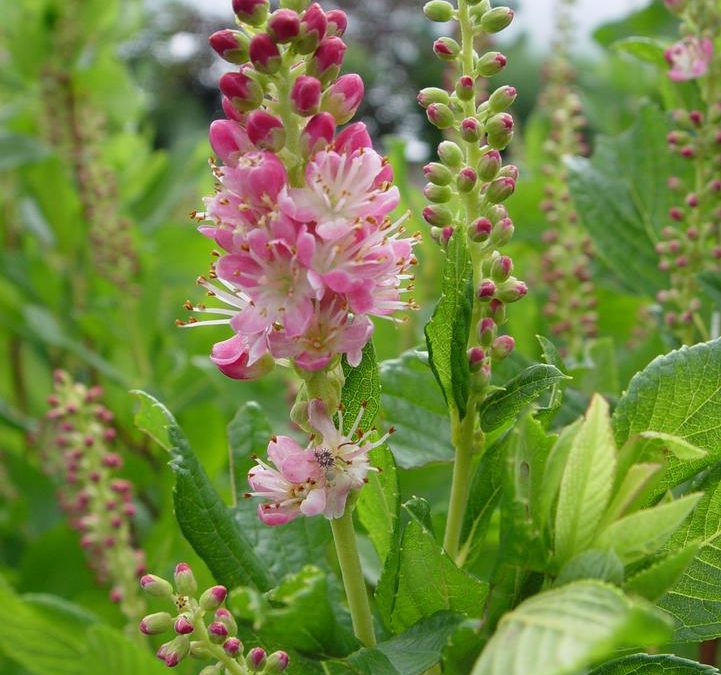
When summer heat peaks and many spring-blooming shrubs have faded, Ruby Spice® Summersweet steps into the spotlight with its fragrant, rosy-pink flower spikes. This Proven Winners® introduction elevates the classic North American native Clethra alnifolia with bolder color and a more compact, rounded habit. Perfect for South East Wisconsin’s humid summers and cold winters, Ruby Spice® delights gardeners with irresistible fragrance—think honey and spice—and continuous bloom that attracts bees, butterflies, and hummingbirds. Whether you’re refreshing a foundation planting or creating a sensory border, this versatile shrub brings both beauty and function to the midsummer garden.
Origins and Description
Native to the wetlands and woodland edges of the eastern United States, Clethra alnifolia has long been valued for its summer fragrance and adaptability. The cultivar ‘Ruby Spice’ was introduced by Proven Winners® for its deeper-pink flower spikes that can reach up to 6″ long, contrasted against glossy, dark-green foliage. Unlike older selections that nod or hang, Ruby Spice® carries its blooms upright on sturdy stems, ensuring maximum visibility and extended display. Leaves are oval, finely toothed, and emerge fresh-green in spring, turning shades of gold and russet in autumn for additional seasonal interest.
Ideal Growing Conditions
-
Light: Thrives in full sun to part shade. In South East Wisconsin, aim for at least four hours of direct morning or filtered afternoon sun to balance bloom production with leaf health.
-
Soil: Prefers moist, organically rich, well-drained soils but tolerates clay, sand, and even temporarily wet ground—making it ideal for rain gardens or near water features. Amending planting holes with compost will jump-start growth.
-
Moisture: Native to damp habitats, Ruby Spice® performs best with consistent moisture. Once established, it withstands short dry spells, but supplemental summer watering ensures larger flower spikes and lush foliage.
-
Hardiness: Rated for USDA Zones 3–8, this shrub easily weathers Wisconsin’s winter lows (down to –30°F). A 2–3″ mulch ring in late fall protects root crowns from freeze–thaw heaving.
Planting and Establishment
-
Timing: Plant in spring after soils warm (mid-April to early May) or in early fall (late September) to allow roots to establish before extremes of summer heat or winter cold.
-
Site Preparation: Remove weeds and grass to reduce competition. Dig a hole twice as wide as the root ball and just as deep; backfill with existing soil amended up to 25% compost.
-
Planting: Position the crown even with the surrounding grade. Gently firm soil around roots, water thoroughly, and apply a 2″–3″ layer of shredded hardwood mulch—keeping it an inch from the stems to prevent rot.
-
Watering: During the first season, aim for 1″ of water per week (rainfall plus supplemental irrigation). This encourages deep, healthy root growth that supports drought tolerance later on.
Care and Maintenance
-
Watering: Maintain consistent soil moisture through midsummer. Use a soaker hose or drip irrigation to reduce leaf wetness and minimize disease risk.
-
Fertilization: In spring, apply a balanced, slow-release shrub fertilizer according to label rates. Avoid high-nitrogen blends that promote leafy growth at the expense of blooms. A second, lighter feeding in midsummer can boost late-season flowering if growth appears sluggish.
-
Mulching: Refresh mulch annually to suppress weeds, regulate soil temperature, and retain moisture.
-
Pest & Disease: Ruby Spice® is generally pest-free and resists deer browsing. Good air circulation and proper spacing (3–5′ apart) help prevent powdery mildew in humid conditions.
Pruning and Propagation
-
Pruning: Since Summersweet blooms on the previous year’s wood, prune immediately after flowering (late August). Remove up to one-third of the oldest stems at ground level to encourage fresh shoots. Lightly trim for shape, but avoid late-season cuts that sacrifice next year’s buds.
-
Propagation: Softwood cuttings in early summer can root readily under bottom heat, but most gardeners prefer reliable container liners from a reputable nursery to guarantee ‘Ruby Spice’ characteristics.
Landscape Uses and Companions
-
Hedges & Screens: Line plants 3–4′ apart for a low hedge that perfumes the air and provides summer privacy.
-
Rain & Pollinator Gardens: Its tolerance for moist soils and nectar-rich flowers make it a standout in rain gardens or wildlife-friendly plantings.
-
Foundation Accents: Underplant with shade-tolerant perennials like hostas (Hosta spp.) and ferns (Matteuccia struthiopteris) to soften structural elements.
-
Companion Plants: Pair with late-summer bloomers such as ornamental grasses (Panicum virgatum), Japanese anemone (Anemone × hybrida), and sedums (Sedum ‘Autumn Joy’) for layered texture and staggered color.
Conclusion
Ruby Spice® Summersweet is a must-have for South East Wisconsin gardeners seeking fragrance, pollinator appeal, and reliable performance in a compact package. Its rosy-pink blooms, tolerance for varied soil conditions, and easy maintenance make it a go-to choice for borders, rain gardens, and foundation plantings alike.