Specials
As the colors of autumn brighten across Southeastern Wisconsin, it’s the perfect time to refresh your home and garden. At Heritage Hill Nursery, we’re making room for next season with exclusive October savings you won’t want to miss. Whether you’re planning ahead for next year’s garden or looking to bring a touch of fall indoors, these deals are here for a limited time.
🌸 Artificial Flowers — 50% Off
Add long-lasting color to your home décor this season with our wide selection of artificial flowers, now half price. These lifelike blooms bring beauty without the upkeep, making them perfect for:
- Seasonal centerpieces and holiday tablescapes
- Office or business displays
- Gifts that brighten someone’s day year-round
With such variety, it’s easy to find the perfect arrangements to match your style.
🌳 Inventory Reduction Sale — 40% Off Select Perennials, Shrubs & Trees
Looking ahead to spring? Now is the perfect time to plant for next year and take advantage of 40% off select nursery stock, including:
- Perennials that return year after year
- Shrubs that anchor your landscape with form and color
- Trees that provide shade, beauty, and long-term value
Fall is one of the best times to plant in Wisconsin. Cooler weather and consistent moisture allow roots to establish before winter, giving your plants a strong head start for next spring.
Please note: these clearance items are part of our inventory reduction event. All sales are final, so shop early for the best selection and savings.
Why Shop Now?
- Save big on quality plants and décor.
- Plant in fall for healthier, stronger growth next year.
- Clearance deals mean limited availability — once they’re gone, they’re gone!
Visit Us This October
Stop in at Heritage Hill Nursery throughout the month of October to take advantage of these seasonal specials. Whether you’re updating your landscape or adding a splash of indoor color, you’ll find unbeatable deals waiting for you.
🍂 Don’t wait — visit us today and celebrate fall with fresh savings at Heritage Hill Nursery!

Seasonal Tips
As summer’s heat gives way to cooler nights and the first hints of autumn, September in Southeastern Wisconsin is a pivotal month in the garden. You’re juggling the final harvest of warm-season crops with planting and prepping for fall and even spring blooms next year. Here are five essential tips—tailored to Zone 5’s climate—to help you make the most of this transitional month.
1. Adjust Watering and Refresh Mulch
- Scale back irrigation gradually. With cooler overnight temperatures and occasional rain, reduce supplemental watering to about ¾ inch per week. Early-morning watering remains best to minimize fungal issues.
- Top up mulch layers. A fresh 2- to 3-inch layer of organic mulch (shredded bark, leaf mold, or straw) conserves moisture, insulates roots, and keeps weeds at bay as temperatures fluctuate.
- Watch container plantings. Pots and hanging baskets dry out faster as days shorten—check them every other day, and consider adding water-retaining crystals or switching to thicker-walled containers.
2. Plant Fall Crops and Cover Crops
- Direct-seed cool-season vegetables such as:
- Leafy greens: Spinach, arugula, and lettuce varieties that bolt slowly in cooler air.
- Roots: Radishes, beets, and carrots—thin seedlings as they emerge to 2–3″ apart.
- Transplant hardy starts of kale, broccoli, and cabbage in early September to give them time to establish before frost.
- Sow cover crops (winter rye, clover, or hairy vetch) in bare beds by mid-month. They protect soil structure, suppress weeds, and add organic matter come spring.
3. Lawn Care: Aeration, Overseeding, and Feeding
- Core-aerate compacted turf to improve oxygen, water, and nutrient penetration. Early September is ideal for strong seedling establishment.
- Overseed bare or thinning patches with a cool-season grass mix formulated for full sun or shade, depending on your lawn.
- Apply a fall fertilizer high in phosphorus and potassium to strengthen roots and help grass recover from summer stress. Aim for a slow-release formula in mid-September.
4. Clean-Up and Disease Management
- Remove spent annuals and diseased foliage from vegetables and ornamentals. Compost only healthy debris; discard any material showing signs of blight or mildew.
- Rake fallen leaves regularly. While a light mulch of leaves can insulate perennials, a thick mat can smother turf and encourage slugs and fungus.
- Sanitize tools between uses—especially after cutting back tomatoes or squash—to prevent pathogen spread. A 10% bleach solution or 70% isopropyl alcohol works well.
5. Spring Bulbs and Perennial Division
- Plant spring-flowering bulbs (tulips, daffodils, crocus) between late September and early October. Ensure good drainage by mixing in bulb-planting mix or compost.
- Divide overgrown perennials such as daylilies, hostas, and iris. Lift clumps, separate into smaller sections with healthy shoots and roots, then replant and water in well.
- Feed divisions and new bulbs with a balanced, low-nitrogen bulb food to jump-start root growth before the ground freezes.
Ready for What’s Next?
By following these September gardening steps—adjusting water, seeding for fall, caring for lawns, managing cleanup, and planting bulbs—you’ll bridge the gap between summer’s end and a vibrant spring ahead.
Stop by Heritage Hill Nursery for all your cool-season seedlings, bulbs, soil amendments, and expert advice. You can also browse online at heritagehillnurseryinc.com.
Here’s to a productive September and a garden that shines through every season!
Specials
As the seasons shift in Southeastern Wisconsin, September offers gardeners a unique opportunity. The warm soil and cooler nights create ideal conditions for planting, and the beauty of fall inspires fresh ideas for both the landscape and the home. At Heritage Hill Nursery, we are excited to help you make the most of this season with in-store-only September specials on artificial flowers and the stunning Amber Jubilee Ninebark shrub.
Celebrate the Season Indoors with Artificial Flowers
When the days grow shorter and the garden begins its transition, many homeowners look for ways to bring lasting color indoors. Artificial flowers provide an easy and creative solution.
Why Choose Artificial Flowers?
- Seasonal Decorating Made Simple: Use them for centerpieces, wreaths, or mantel accents without worrying about wilting.
- Long-Lasting Value: Unlike fresh flowers, artificial blooms keep their shape and vibrancy season after season.
- Endless Options: Whether you love the warm hues of fall or timeless neutrals, you’ll find something to match your style.
This month, our entire selection of artificial flowers is 50% off in-store. It’s the perfect time to refresh your décor and prepare for the cozy months ahead.
Spotlight on Amber Jubilee Ninebark
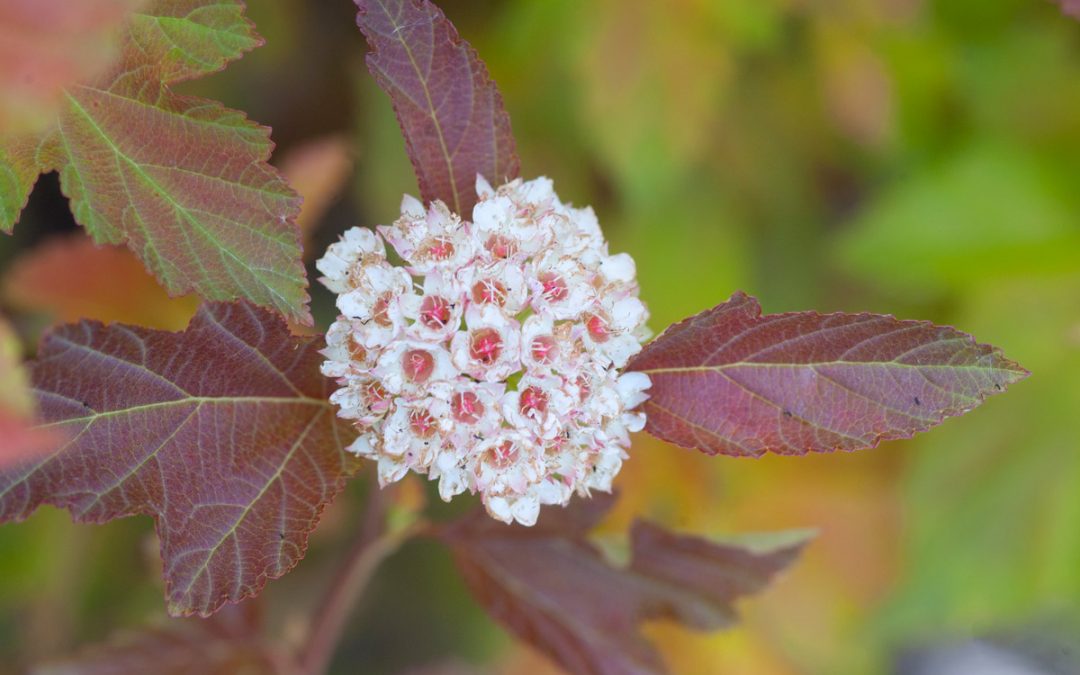
In the garden, few shrubs can rival the Amber Jubilee Ninebark for fall interest. With foliage that shifts from golden hues to deep burgundy, it brings a dynamic splash of color to any landscape.
Features of Amber Jubilee Ninebark
- Seasonal Foliage: Orange, yellow, and purple tones blend together in a stunning display.
- Compact Growth Habit: Reaching about 5–6 feet tall and wide, it fits well in smaller yards or mixed borders.
- Low Maintenance: Once established, Ninebark thrives with minimal care, making it an excellent choice for busy homeowners.
- Year-Round Interest: Beyond its leaves, Amber Jubilee also offers clusters of white spring flowers and attractive peeling bark in winter.
For September, you can enjoy 25% off Amber Jubilee Ninebark shrubs in-store. Please note that other Ninebark varieties are available at regular price.
Gardening in September: Tips for Southeastern Wisconsin
September is one of the best times to invest in your landscape. Here are a few ways to take advantage of the season:
1. Plant for Strong Roots
Shrubs and perennials planted now have time to establish roots before winter. This head start leads to healthier, more resilient plants next spring.
2. Divide and Transplant Perennials
If your hostas, daylilies, or irises have grown too large, divide them now. This rejuvenates the plants and gives you more to enjoy in other parts of your garden.
3. Care for Your Lawn
Fall is the best season to overseed thin spots and apply a slow-release fertilizer. Cooler weather encourages strong root development, which means a lush green lawn come spring.
4. Refresh Containers and Beds
Swap out tired summer annuals with fall favorites like chrysanthemums, ornamental kale, and asters for a burst of seasonal color.
5. Plan Ahead for Spring Bulbs
September is the time to shop for tulips, daffodils, and crocus bulbs. Plant them in October for a dazzling spring display.
Shop In-Store and Online
Our September specials are available in-store only. Visit us this month to take advantage of these savings and let our team help you with fall planting and decorating.
Looking for other plants shipped right to your door? Our online store is open year-round with a wide selection of products at regular price.
Seasonal Tips, Older Entries
Lilacs are hardy, easy to grow, and low maintenance. They can grow from 5 to 15 feet tall, depending 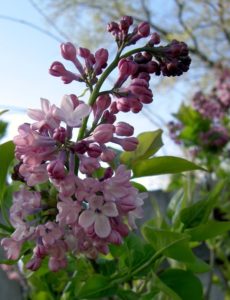 on the variety. The fragrant flowers are good for cutting and attractive to butterflies.
Planting
Grow lilacs in fertile, humus-rich, well-drained, neutral to alkaline soil (at a pH near 7.0). If your soil is in poor condition, add compost to enrich.
Select a site where your lilac will get full sun—at least 6 hours. If lilacs don’t get enough sun, they will not bloom well.
Make sure the site drains well. Lilacs don’t like wet feet and will not bloom with too much water.
Plant in either spring or fall.
Transplanting lilacs from a nursery is easy. If it’s container-grown, spread out the roots as you settle the plant into the ground; if it’s balled or burlapped, gentle remove it and any rope before planting. Set the plant 2 or 3 inches deeper than it grew in the nursery, and work topsoil in around the roots. Water in. Then fill in the hole with more topsoil.
Space multiple lilac shrubs 5 to 15 feet apart, depending on the variety.
Read More *Courtesy Old Farmers Almanac
Seasonal Tips
August in Southeastern Wisconsin brings hot, humid days and warm nights—perfect for lush growth, but also demanding extra care in the garden. As the peak of summer shifts toward early fall, your beds and borders need attention to stay healthy, productive, and beautiful. Here are five essential tips to keep your August garden thriving in Zone 5:
1. Water Deeply and Mulch Wisely
August heat can stress plants and dry out beds quickly. Aim to water in the early morning, when temperatures are cooler and evaporation is minimal. Give your shrubs, vegetables, and annuals a deep soak—about 1–1½ inches of water per week—rather than quick, shallow sprinkles. This encourages roots to grow deeper, making plants more drought-tolerant.
After watering, replenish or add a 2–3-inch layer of organic mulch (shredded bark, composted leaves, or straw) around your plants. Mulch helps retain soil moisture, suppress weeds, and moderate soil temperature. Just be sure to keep it a few inches away from stems and trunks to prevent rot.
2. Scout for Pests and Fungal Issues
Warm, humid conditions are ideal for pests and diseases. Check plants daily for signs of trouble:
- Japanese beetles on roses, grapes, and ornamentals—handpick early in the morning.
- Squash vine borer on pumpkins and squash—watch for wilting vines and bore holes at the crown.
- Powdery mildew on cucurbits and ornamentals—remove severely affected leaves and improve air circulation.
- Aphids and whiteflies on tender new growth—blast off with a garden hose or apply insecticidal soap.
Rotate watering methods away from overhead sprinklers to reduce leaf wetness, and treat any outbreaks promptly with organic options like neem oil or horticultural oil.
3. Harvest, Preserve, and Succession Plant
Your summer crops—tomatoes, beans, peppers, cucumbers—should be coming in strong now. Harvest regularly to encourage continued production and prevent over-ripening. Preserve bounty by canning, freezing, or fermenting excess.
At the same time, plan for a fall harvest:
- Direct-seed fast-maturing greens (arugula, spinach, lettuce) and root crops (radishes, beets) in mid-August.
- Transplant seedlings of kale, broccoli, and cabbage started indoors earlier.
- Sow cilantro and parsley for autumn flavor, and consider snap pea plantings for a late-season treat.
4. Deadhead, Divide, and Feed Your Flowers
Keep flower beds looking their best by deadheading spent blooms on annuals and perennials like petunias, rudbeckia, and coneflowers. This prevents seed set and redirects energy into new growth.
August is also an ideal time to divide overgrown perennials—daylilies, hostas, and phlox benefit from division to maintain vigor. Lift clumps, separate them into smaller sections, and replant immediately with fresh compost or organic matter. After division, give them a light feeding with a balanced, slow-release fertilizer to support recovery before cooler weather sets in.
5. Plan Ahead for Fall and Lawn Health
As summer winds down, begin prepping for fall plantings and winter lawn health:
- Clean up any fallen leaves, spent annuals, and vegetable debris to reduce overwintering pests and diseases.
- Top-dress perennial beds with well-aged compost to boost soil structure and nutrient levels.
- Order spring-flowering bulbs (tulips, daffodils) now to ensure the best selection; store them in a cool, dark place until planting in September.
- For your lawn, consider aeration and late-summer overseeding in mid-August, followed by a light application of high-nitrogen fertilizer to encourage root development before frost.
Keep Your Garden Thriving!
By following these August gardening tips—wise watering, vigilant scouting, timely harvesting and succession planting, flower-bed maintenance, and fall preparation—you’ll set your garden up for success through the end of the season and into spring.
For all your supplies, seedlings, and expert advice, visit Heritage Hill Nursery at 10801 Pleasant Valley, Cedarburg, WI 53012, or explore our offerings online at heritagehillnurseryinc.com. Happy gardening!