
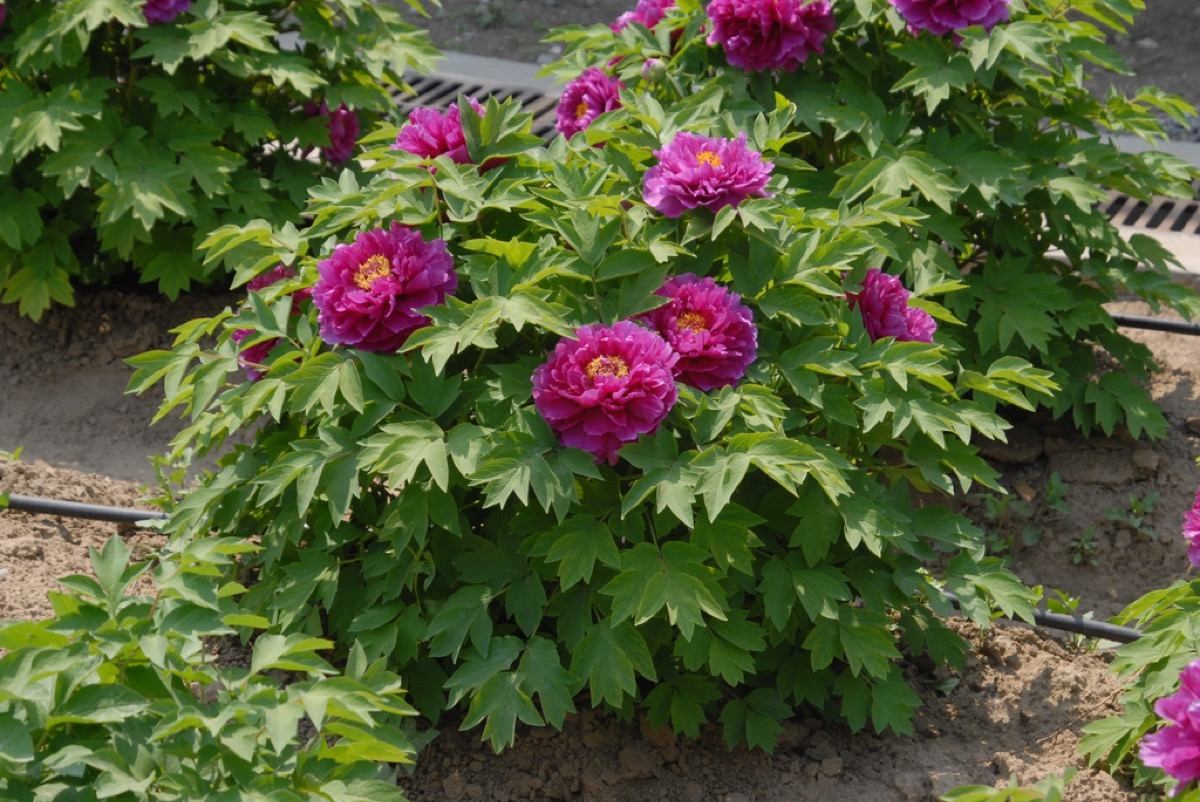
| Common Name | Tree Peony |
| Botanical Name | Paeonia x suffruticosa |
| Family | Paeoniaceae |
| Plant Type | Deciduous shrub |
| Hardiness Zone | 4-8 (thrives in Zone 5b) |
| Mature Size | 3-5 ft tall, 3-4 ft wide |
| Sun Exposure | Full sun to part shade |
| Soil Preference | Medium moisture, fertile, well-draining |
| Bloom Time | Late spring to early summer |
| Bloom Color | Varies: white, pink, red, purple, yellow |
| Native To | China |
| Deer Resistant | Yes |
| Pollinator Friendly | Yes (bees) |
Why Tree Peony for Wisconsin
Unlike herbaceous peonies that die back to the ground each year, tree peonies keep their woody stems above ground year-round. That gives them structure even in winter. Hardy to Zone 4, they handle Wisconsin winters and reward you with flowers that can reach 6-10 inches across. A well-established tree peony can live for decades, sometimes over a century.
Planting Instructions
When: Fall is ideal (September-October). Spring works too if planted before growth starts.
Where: Part shade to full sun. Morning sun with afternoon shade is often best. Pick a spot protected from strong winds.
How: Plant the graft union 4-6 inches below the soil surface (deeper than most plants). This encourages the scion to develop its own roots. Space 4-5 feet from other plants.
Care Throughout the Season
Spring: New growth emerges. Do not prune. Remove spent flowers once petals drop, cutting just above a healthy bud.
Summer: Water during dry periods. A light application of balanced fertilizer in early summer can help, but don’t overdo it.
Fall: Leaves drop. Leave the woody stems standing. Apply a layer of mulch around the base for winter insulation.
Winter: The woody framework stays. In exposed locations, wrapping with burlap can protect flower buds from late freezes.
Common Problems in Wisconsin
Botrytis blight: Gray mold on buds and stems in wet springs. Good air circulation and avoiding overhead watering help.
Transplant shock: Tree peonies resent being moved. Choose your spot carefully the first time. They can sulk for a year or two after planting before settling in.
Late frost on buds: A hard freeze after buds have swollen can damage that year’s flowers. Covering with a frost blanket helps on cold nights.
Companion Planting
Hosta fills in nicely at the base. Heuchera (Coral Bells) adds foliage color in part shade. Brunnera provides blue flowers in spring nearby. Japanese Painted Fern adds texture in the same light conditions. Hellebore blooms even earlier, extending the season of interest.
Design and Landscape Uses
Tree peonies work best as specimen plants where they can be appreciated up close. Plant in groups of three for maximum flowering impact. They fit formal and cottage gardens equally well. The woody stems provide winter structure that herbaceous peonies lack.
Fun Fact
During China’s Tang and Song dynasties (618-1279 CE), tree peonies were called the “King of Flowers” and symbolized wealth and nobility. They were cultivated in imperial gardens and given as diplomatic gifts. Never prune a tree peony. It does not like being disturbed.
Tree Peonies are available at our nursery.
These are the kind of plant you want to see in person before choosing.