
River Birch at a Glance
| Botanical Name | Betula nigra |
| Common Name | River Birch |
| Plant Type | Deciduous Tree |
| Mature Size | 40-70 ft. tall, 40-60 ft. wide |
| Growth Rate | Fast (up to 30 inches per year) |
| Hardiness Zones | USDA 4-9 |
| Sun Exposure | Full sun to partial shade |
| Soil Preference | Moist, slightly acidic (pH 5.0-6.5) |
| Water Needs | Moderate to high |
| Bloom Time | Spring (catkins) |
Why River Birch Thrives in Wisconsin
River Birch is one of the most dependable shade trees for southeastern Wisconsin landscapes. Hardy to USDA Zone 4, it handles Cedarburg winters without flinching. Where other birch species struggle with bronze birch borer, River Birch stands apart with strong natural resistance to this devastating pest. That alone makes it a smarter pick for our region.
Wisconsin’s clay-heavy soils and spring rains actually work in this tree’s favor. River Birch evolved along floodplains and streambanks, so it tolerates wet feet better than most shade trees. It also adapts well to the pH range found in many Ozaukee County yards. Fast growth means you will enjoy shade within just a few seasons of planting.
Planting Your River Birch
Best planting time in Wisconsin: Early spring (April to May) or early fall (September to October), when cooler temperatures let roots establish before summer heat or winter freeze.
Choose a spot with full sun to light shade and consistently moist soil. River Birch will grow in clay, loam, or sandy ground, but it performs best when the soil stays damp. Dig the hole two to three times wider than the root ball and just as deep. Avoid planting too deep. The root flare should sit at or slightly above grade.
Backfill with native soil and water thoroughly. Apply 3 to 4 inches of organic mulch in a wide ring around the trunk, keeping it several inches away from the bark. This preserves moisture, moderates soil temperature, and reduces competition from turf grass.
Give this tree room. At maturity, River Birch can spread 40 to 60 feet, so plant at least 20 feet from structures, sidewalks, and driveways. Its shallow, spreading root system can lift pavement over time.
Seasonal Care Calendar
Spring: Inspect for winter damage and remove any dead or broken branches. Refresh mulch as needed. Begin regular watering if spring rainfall is light. Avoid heavy pruning in spring, as birch trees bleed sap heavily from fresh cuts during this time of year.
Summer: Water deeply during dry spells. River Birch is not drought-tolerant, and stressed trees become more vulnerable to pests. A slow-drip soaker hose works well for deep watering sessions. Monitor leaves for signs of chlorosis (yellowing between veins), which can signal alkaline soil conditions.
Fall: Late summer through fall is the ideal pruning window for River Birch. Remove crossing branches, dead wood, and any low limbs you want cleared. Rake fallen leaves and catkins to reduce overwintering fungal spores. Apply a fresh layer of mulch before the ground freezes.
Winter: River Birch requires no special winter protection in Cedarburg. Its exfoliating bark provides outstanding visual interest against snow, making it a four-season landscape feature.
Common Problems and Solutions
Iron Chlorosis: If leaves turn yellow-green with darker veins, your soil may be too alkaline. Lower pH with sulfur amendments or use chelated iron treatments. Avoid planting near concrete foundations or walkways, which leach lime into the soil.
Bronze Birch Borer: River Birch is the most resistant birch species to this pest, but drought-stressed trees can still be attacked. Consistent watering is your best defense. Symptoms include thinning canopy and D-shaped exit holes in the bark.
Leaf Spot: Several fungal leaf spot diseases can appear during wet summers. They rarely threaten the tree’s health. Good air circulation, proper spacing, and fall cleanup keep these issues in check.
Shallow Roots: Expect surface roots as the tree matures. Avoid planting near sidewalks or foundations where root heave could be a problem. Do not pile soil over exposed roots, as this can suffocate them.
Debris: River Birch sheds bark, twigs, and catkins throughout the year. Plan for regular cleanup, especially in manicured landscapes.
Companion Plants
River Birch pairs beautifully with shade-loving perennials that appreciate moist soil. Plant hostas, astilbe, or ferns beneath the canopy once the tree is established. The dappled shade cast by birch leaves creates ideal conditions for these woodland favorites.
For the sunnier edges around the drip line, consider daylilies, black-eyed Susan, or ornamental grasses. These tough perennials handle the moisture fluctuations near birch roots without complaint. Underplanting with native groundcovers like wild ginger or Virginia bluebells adds seasonal color while reducing the need for mulch renewal.
Design Uses
River Birch works as a striking specimen tree, a shade provider, or a naturalized planting along water features and rain gardens. Its multi-stem form (commonly sold as clump birch) creates an especially dramatic silhouette. Single-trunk specimens make strong focal points in larger yards.
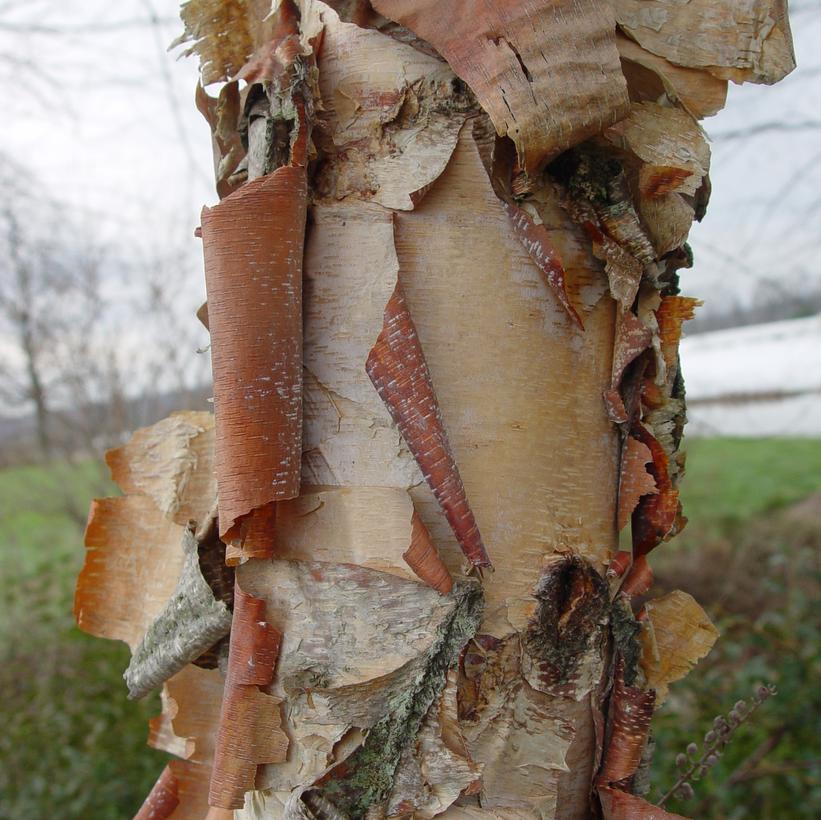
Use River Birch to anchor rain gardens or bioswales where its flood tolerance becomes a genuine asset. Planted in groups of three or five, clump birches form a loose grove that feels like a natural woodland. The peeling bark in shades of salmon, cinnamon, and cream catches light year-round, providing winter interest that few other trees can match.
Fun Facts
- River Birch is the only birch species commonly found in warmer lowland areas of the southeastern United States.
- The bark peels in papery layers of salmon, cinnamon, cream, and even lavender. No two trees look quite alike.
- Native Americans used birch bark for canoes, containers, and roofing material.
- River Birch was named the 2002 Urban Tree of the Year by the Society of Municipal Arborists.
- In the wild, River Birch often grows right at the water’s edge, stabilizing riverbanks with its dense root network.
Find River Birch at Heritage Hill Nursery
Our team can help you choose the right birch for your property and give you planting advice tailored to Cedarburg-area soils. Stop by and see what we have in stock.