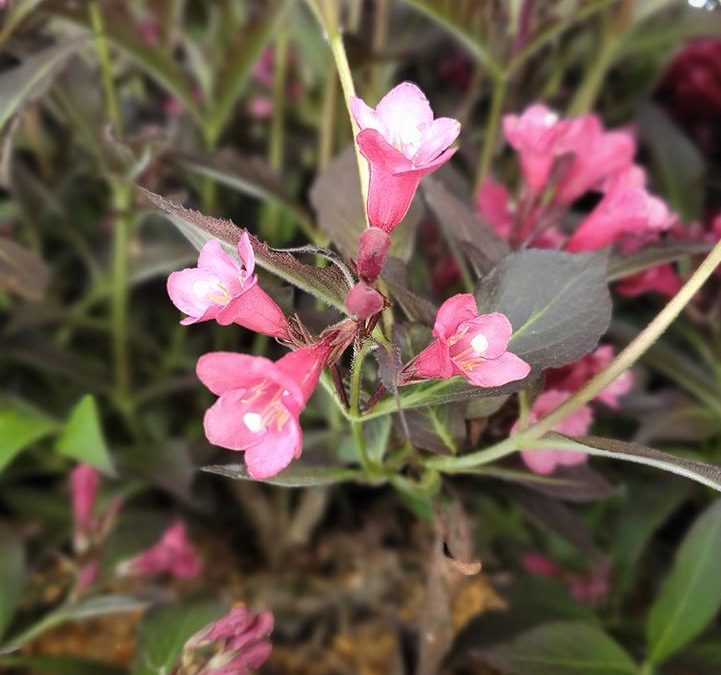
Spilled Wine® Weigela is a bold, low-growing shrub known for its rich, deep purple foliage and vibrant pink flowers that attract attention — and pollinators — all season long. Compact, colorful, and easy to grow, this weigela is a fantastic option for anyone looking to add contrast and structure to sunny garden beds.
This variety stands out with its wavy, dark burgundy leaves that hold their color from spring through fall. Unlike some plants that fade in the summer heat, Spilled Wine® maintains its bold foliage even in full sun. It’s particularly striking when planted near lighter green or silver-leaved perennials, offering a rich, dramatic contrast that adds depth to the landscape.
In late spring to early summer, bright pink trumpet-shaped blooms cover the plant in clusters, creating a vibrant contrast against the dark leaves. The flowers attract hummingbirds and butterflies, adding movement and life to your garden. While the heaviest bloom is in early summer, you may also see some reblooming later in the season.
Spilled Wine® is part of the Proven Winners® line, bred for excellent performance and adaptability. It thrives in full sun, requiring at least 6 hours of direct light per day to look and flower its best. It prefers well-drained soil, and once established, it is drought-tolerant and requires very little maintenance.
This weigela is smaller and more compact than traditional varieties, growing to about 2 to 3 feet tall and 3 to 4 feet wide. That makes it an excellent choice for low borders, mass plantings, and foundation beds. It also works well in containers or raised beds, where its tidy shape and colorful foliage can shine.
One of the best things about Spilled Wine® is its low-maintenance nature. It doesn’t require regular pruning to stay tidy, though you can lightly shape it after blooming if needed. It’s also resistant to deer and not prone to pests or disease, making it a worry-free addition to the garden.
This plant pairs well with ornamental grasses, coneflowers, black-eyed Susans, and coreopsis — any sun-loving perennial that appreciates good drainage and benefits from a colorful backdrop. The dark foliage makes other flowers pop and adds a sense of structure to more free-flowing garden designs.
Because of its compact size and bold look, Spilled Wine® is also a great choice for modern landscapes or homeowners looking for colorful, low-effort curb appeal. It looks especially good planted in repeating groups along walkways, patios, or garden edges.
In Southeast Wisconsin, Spilled Wine® is hardy to zone 4, so it handles our winters with no problem. Just make sure it’s planted in a spot with good sun exposure and avoid areas where water tends to collect.
At Heritage Hill Nursery, we recommend Spilled Wine® Weigela for gardeners who want reliable color from spring through fall without the fuss. It’s a true workhorse in the landscape — delivering bold foliage, cheerful flowers, and wildlife interest in one neat, beautiful package.
If you’re refreshing a front bed, adding depth to a perennial garden, or looking for something special to plant along a sunny path, Spilled Wine® is a smart and stunning choice. Visit us this spring to see it in person and explore companion plants that make it shine.
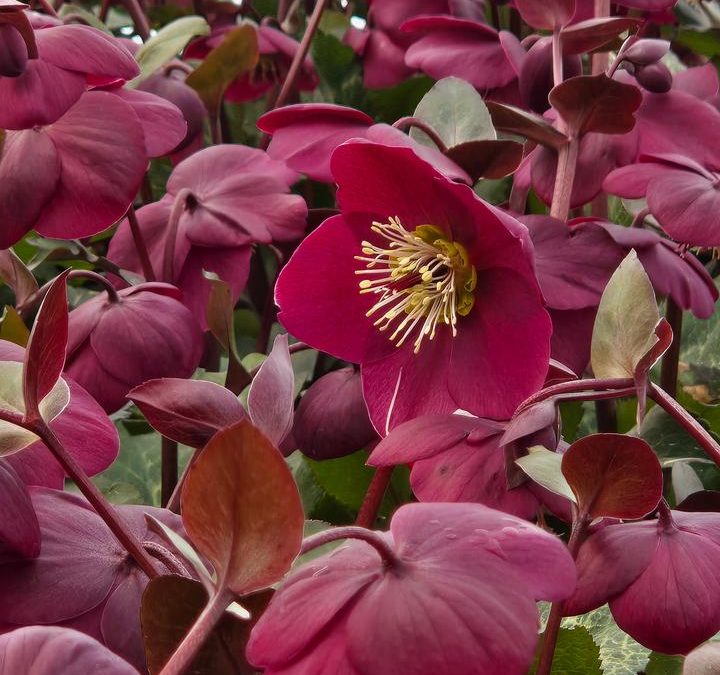
Tropical Sunset Lenten Rose is a bold and beautiful perennial that brings unexpected color to the early spring garden. With striking blooms in shades of yellow, burgundy, and deep red, this variety adds a touch of the exotic — right when most of your landscape is still shaking off winter.
As part of the Helleborus x hybridus group, Tropical Sunset is a late winter to early spring bloomer that thrives in shady spots and offers long-lasting color at a time when few other plants are in flower. Its blooms are cup-shaped and gently nodding, each one uniquely patterned like a watercolor painting. You’ll see petals streaked, speckled, or banded in rich sunset tones, with every plant offering a slightly different show.
In Southeast Wisconsin, this Lenten Rose typically blooms from March into early May, depending on the weather. It’s one of the very first perennials to flower, often blooming alongside snowdrops or just as your crocuses are beginning to emerge. Best of all, the flowers hold for weeks, staying fresh and upright even through occasional spring frosts.
Tropical Sunset grows in a clump-forming habit, reaching about 12 to 18 inches tall and wide. It prefers partial to full shade, especially under deciduous trees where it can enjoy early spring sun before the canopy fills in. Like all hellebores, it’s happiest in moist, well-drained soil rich in organic matter. Once established, it’s drought-tolerant and very low-maintenance.
The leathery, deep green foliage is evergreen in milder winters and semi-evergreen in colder ones, offering year-round texture and interest. In early spring, you can cut back any winter-damaged leaves to make room for the new flower stems.
Tropical Sunset is an excellent choice for woodland gardens, shady borders, and underplanting shrubs. It pairs beautifully with other early bloomers like lungwort, primrose, brunnera, and bleeding heart. Its low, mounded shape makes it a perfect front-of-border plant or a way to add early color around hostas and ferns that emerge later.
In addition to its beauty, Tropical Sunset Lenten Rose is also deer and rabbit resistant, making it a great choice for Wisconsin gardeners dealing with browsing wildlife. It’s also pollinator-friendly, attracting early-season bees that are just beginning to emerge from winter.
Care is simple: plant it once, and it will return each year with minimal attention. Over time, clumps can slowly expand, and you can divide them every few years if desired. Mulching in fall helps protect the roots and conserve moisture, though the plant is very hardy on its own in zones 4–9.
At Heritage Hill Nursery, we love Lenten Roses for their quiet strength and early impact, and Tropical Sunset is one of the most eye-catching varieties we carry. Its vibrant, unusual coloring sets it apart from classic whites and pinks, making it a conversation piece in any shady garden bed.
If you’re looking to add color and interest to the earliest part of the growing season, Tropical Sunset Lenten Rose is a must-have. Plant it where you’ll see it on those first warm days of spring — near a front walkway, under a window, or tucked along a garden path — and enjoy the beauty it brings when you need it most.
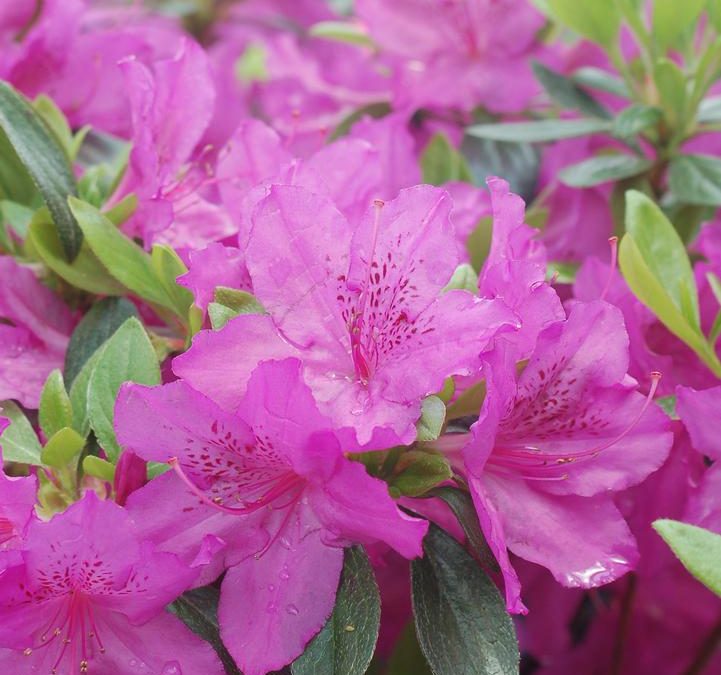
Karen Azalea is a spring-blooming shrub that delivers a beautiful burst of color just as your garden is waking up for the season. Known for its vibrant lavender-pink flowers and compact, rounded habit, this deciduous azalea is a favorite for foundation plantings, borders, and woodland edges.
Blooming in mid-to-late spring, Karen Azalea produces masses of rosy purple blossoms with a hint of red in the throat, creating a striking contrast against its glossy, dark green foliage. The flowers cover the shrub in a bold display that lasts for weeks — right when your spring bulbs are finishing and summer perennials are just starting to grow.
Karen Azalea grows to about 3 to 4 feet tall and wide, making it a versatile choice for smaller garden spaces or as a colorful accent in larger landscapes. It has a tidy, mounding shape and looks especially nice when planted in groups or layered into a mixed shrub border.
This variety is part of the Northern Lights series of cold-hardy azaleas, meaning it was bred to withstand colder climates like ours in Southeast Wisconsin. Karen is hardy in zones 4 to 8, and it performs well in our region, provided it’s planted in the right spot.
Azaleas like Karen prefer part shade — especially dappled sunlight or morning sun with afternoon shade. They do best in acidic, well-drained soil that is rich in organic matter. Amending your planting area with compost or peat moss can help create ideal conditions. Azaleas also appreciate consistent moisture, particularly in the first year after planting, but they do not like wet feet.
In addition to its spring flowers, Karen Azalea offers beautiful fall color. Its leaves turn shades of orange, bronze, and burgundy as temperatures cool, giving you a second season of interest after the blooms have faded.
This shrub pairs well with other spring bloomers like bleeding heart, ferns, and hellebores. It also works nicely with shade-loving groundcovers like ajuga, lamium, or brunnera. For a larger design, Karen Azalea looks stunning when grouped with other cold-hardy azaleas or rhododendrons to create a layered, woodland-inspired effect.
Karen Azalea requires little maintenance once it’s established. Pruning is rarely necessary, but if shaping is desired, it’s best done right after flowering, before the plant sets buds for the following year. A layer of mulch around the base helps keep roots cool and moist, and also protects the plant through winter.
At Heritage Hill Nursery, we recommend Karen Azalea for gardeners who want a reliable, showy shrub that can handle Wisconsin winters and bring vibrant color to shady areas. It’s one of those plants that quietly earns its place in the landscape year after year.
If you’re looking to brighten up a shaded border or foundation area, Karen Azalea is a fantastic choice. With bold blooms, hardy roots, and a lovely fall show, it offers beauty across multiple seasons — and it’s in stock now at the nursery.
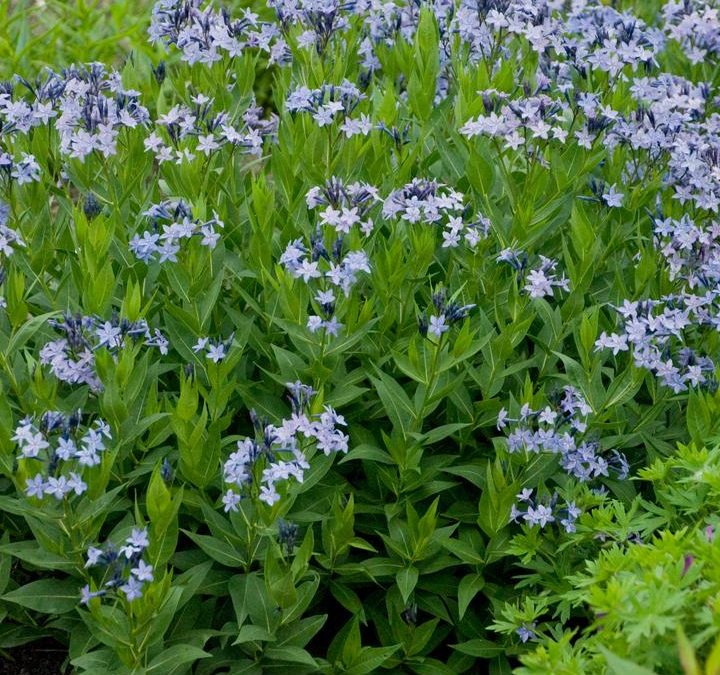
Blue Ice Amsonia is a beautiful and dependable perennial that brings cool blue tones to the spring garden. With star-shaped flowers that bloom in mid to late spring and soft green foliage that turns golden in the fall, this plant offers multi-season interest with very little maintenance.
Originally developed from native Amsonia species, Blue Ice is known for its compact size, tidy mounding habit, and richer flower color than other varieties. While many Amsonia bloom in pale blue, Blue Ice features a deeper, almost violet-blue flower that stands out beautifully against fresh spring greens.
This plant is well-suited for Southeast Wisconsin gardens. It thrives in full sun to part shade and prefers well-drained soil. Once established, it’s drought-tolerant and long-lived, making it a reliable addition to low-maintenance perennial beds. Blue Ice typically grows to about 12–15 inches tall and wide, forming a neat, rounded mound that doesn’t flop or spread aggressively.
In spring, clusters of blue, star-shaped flowers bloom at the tips of the stems, creating a soft, airy look that pairs well with spring bulbs like tulips and daffodils. After flowering, the plant’s slender, willow-like leaves continue to look attractive through summer. As fall approaches, those same leaves turn a bright golden-yellow, adding a final splash of color to the garden before winter.
Blue Ice Amsonia works beautifully in borders, cottage gardens, pollinator plantings, or as a filler between showier perennials. It’s also a great choice for more naturalistic designs or native-inspired landscapes. Butterflies and bees are drawn to its blooms, and deer tend to leave it alone — another reason it’s becoming a favorite for Wisconsin gardeners.
Care is easy with this plant. It doesn’t need frequent dividing, and aside from cutting it back in late fall or early spring, there’s very little cleanup involved. A bit of compost in spring is usually all it needs to thrive year after year. It’s also relatively pest and disease free, making it a solid performer in a wide range of conditions.
Because of its compact size and uniform habit, Blue Ice is a great edging plant along pathways or in front of larger perennials like peonies, baptisia, or ornamental grasses. It’s also a nice complement to bold colors like red columbine or golden coreopsis. The cool blue flowers provide contrast without overwhelming a design.
At Heritage Hill Nursery, we love Blue Ice Amsonia for its elegance, dependability, and seasonal versatility. It’s one of those plants that doesn’t demand attention — but quietly enhances everything around it. Whether you’re designing a new garden bed or refreshing an existing space, this is a plant that brings lasting beauty with very little effort.
If you’re looking for a hardy, Wisconsin-friendly perennial with charm in every season, Blue Ice Amsonia is a smart choice. Visit us this week to see it in bloom — and discover why it’s one of our favorites for spring.
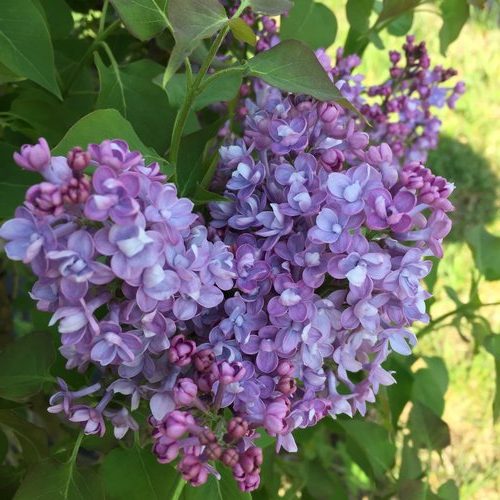
Scentara Double Blue Lilac is a standout spring-blooming shrub known for its intensely fragrant, double-petaled blooms in soft lavender-blue tones. This hybrid lilac not only offers beautiful early-season color but also fills the garden with that classic lilac scent that signals spring has truly arrived.
A member of the hyacinthiflora lilac group, Scentara Double Blue blooms earlier than common lilacs and produces full, double flowers that give it a more lush and layered appearance. The soft bluish-purple blossoms are packed with petals and look almost like miniature roses, making it a beautiful choice for borders, foundations, and cutting gardens.
Native to hybrid parentage with strong genetics, this lilac was bred for cold hardiness and disease resistance, making it ideal for Southeastern Wisconsin’s climate. It thrives in USDA zones 2–8, which means it handles our long winters with ease and is one of the most reliable early bloomers come April or May.
Scentara Double Blue Lilac grows to about 6 to 8 feet tall and wide, forming a rounded, upright shrub. It prefers full sun (at least 6 hours daily) and well-drained soil. Once established, it’s fairly drought-tolerant, though watering during dry spells will help encourage healthy growth and more blooms. It’s also deer-resistant and attracts bees and butterflies in the spring — a great bonus for pollinator gardens.
One of the best things about this lilac is its fragrance. The scent is strong and sweet, just like the lilacs many of us remember from childhood gardens. Planted near patios, porches, or open windows, it offers a burst of nostalgia every time you catch the breeze.
Scentara Double Blue is easy to care for. You’ll want to prune it right after flowering to shape the shrub and encourage good blooming the following year. Avoid pruning in fall or early spring, as that will remove next season’s flower buds. A little compost or slow-release fertilizer in early spring can help support healthy blooms, but lilacs are generally low-maintenance once they’re established.
In the landscape, this lilac works well as a single focal point or planted in groups for a beautiful flowering hedge. It pairs nicely with other spring bloomers like tulips, daffodils, and creeping phlox. Its blooms also make excellent cut flowers — just a few stems in a vase can fill a room with fragrance.
At Heritage Hill Nursery, we’re excited to feature Scentara Double Blue Lilac as our Plant Spotlight for early April. Right now, it’s 25% off as part of our April Specials, making it a great time to add this stunning shrub to your garden.
Whether you’re planting your first lilac or expanding an existing collection, Scentara Double Blue offers a beautiful, fragrant, and reliable choice for Wisconsin gardeners. Visit us to see it in person and enjoy the sweet scent of spring!
Photo courtesy of Proven Winters.