If you’re seeking a stately, space-saving specimen for your landscape, look no further than Parkland Pillar® Birch. This columnar form of Asian white birch was selected for its remarkably narrow habit—reaching just 6–7 feet wide at maturity—paired with the lustrous white bark and golden fall color that make birches such prized garden accents. Whether used as a living screen, a vertical focal point, or a dramatic accent in a tight urban yard, Parkland Pillar® Birch brings year-round interest and effortless elegance to Southeast Wisconsin gardens.
Key Characteristics
-
Form & Size
-
Columnar, upright habit: 30–40 ft tall × 6–7 ft wide
-
Dense branching creates a clean, vertical silhouette
-
Bark & Foliage
-
Smooth, creamy-white bark that stands out against dark evergreens and masonry
-
Bright green, ovate leaves (2–3″ long) with serrated edges
-
Seasonal Interest
-
Spring/Summer: Fresh green canopy adds height and structure
-
Fall: Leaves turn a vibrant golden yellow, creating a glowing column
-
Winter: Bark shines against the snowy landscape, offering sculptural appeal
Cultural Requirements
Landscape Uses & Companion Plants
-
Narrow Screening & Privacy
-
Ideal for lining driveways, property lines, or tight urban lots where space is limited.
-
Plant 4–6 feet apart for a living privacy screen.
-
Vertical Accents & Specimens
-
Mixed Borders & Foundation Plantings
-
Mix with low-growing evergreens (e.g., dwarf yews) and spring bulbs for layered seasonal interest.
-
Underplant with shade-tolerant perennials like Heuchera and Ferns to soften the base.
-
Container Planting
Seasonal Care & Maintenance
-
Planting Tips
-
Pruning
-
Mulching & Fertilization
-
Winter Care
-
Young trees benefit from a temporary windbreak or burlap wrap in the first winter to protect bark from sunscald.
-
After establishment, bark withstands sun and cold without damage.
Why We Love Parkland Pillar® Birch
-
Space-Saving Elegance: Offers all the charm of white birch in a narrow footprint ideal for modern landscapes.
-
Four-Season Appeal: Striking bark, lush foliage, vibrant fall color, and winter form make it a year-round standout.
-
Low-Maintenance Performance: Resistant to common birch pests and diseases, with minimal pruning requirements.
Conclusion & Availability
Parkland Pillar® Birch (Betula platyphylla ‘Jefpark’) is the perfect solution when you crave the grace of a white birch but have limited horizontal space. Its slender profile, radiant fall color, and commanding winter silhouette bring elegance and structure to any Southeast Wisconsin garden. Check it out here!
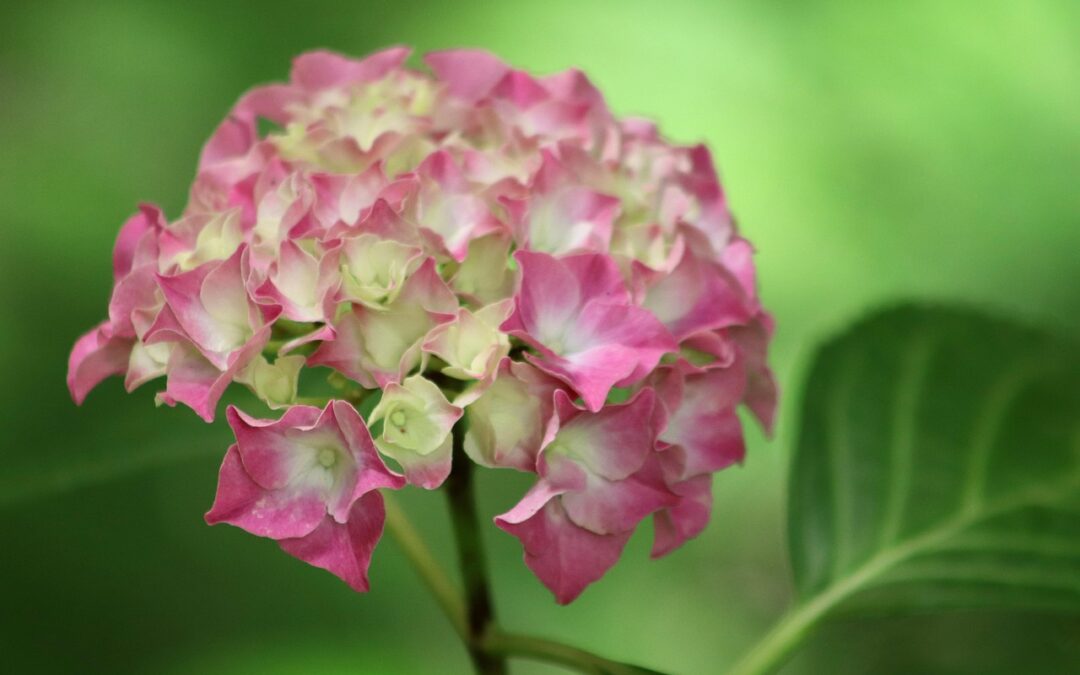
Firelight™ Tidbit® is a stunning panicle hydrangea that packs all the drama of larger varieties into a compact, 2–3-foot tall and wide habit—making it perfect for small gardens, mixed borders, and container plantings. Bred by Proven Winners®, this shrub dazzles with its long-lasting, conical flower panicles that emerge lime-green, fade to creamy white, then age to brilliant shades of pink and deep rosy red. Blooming from midsummer into fall, Firelight™ Tidbit® delivers season-long color and structure with minimal effort.
Key Characteristics
Cultural Requirements
-
Light
-
Thrives in full sun to part shade.
-
For best flowering in Southeast Wisconsin, plant in a location that receives morning sun and light afternoon shade.
-
Soil
-
Prefers fertile, well-drained soil rich in organic matter.
-
Adapts to clay, loam, or sandy soils if drainage is good.
-
Incorporate compost at planting to improve structure and fertilities.
-
Water
-
Keep evenly moist during the first growing season to establish a strong root system.
-
Once established, moderately drought-tolerant but performs best with supplemental watering during hot, dry spells.
-
Mulch around the base to conserve moisture and suppress weeds.
-
Fertilization
-
Apply a balanced, slow-release fertilizer in early spring as new growth emerges.
-
A second light feeding in midsummer can support continuous bloom.
Landscape Uses & Companion Plants
-
Containers & Small Spaces
-
Ideal choice for patios, decks, or front-door planters.
-
Pair with annuals like Salvia ‘Hot Lips’ or ornamental grasses (e.g., Pennisetum alopecuroides) for textural contrast.
-
Mixed Perennial Borders
-
Use as a colorful focal point amid summer-flowering perennials such as Echinacea purpurea (Purple Coneflower) and Rudbeckia hirta (Black-eyed Susan).
-
Surround with late-season bloomers like Aster and Sedum ‘Autumn Joy’ for continuous interest.
-
Foundation & Hedge Plantings
-
In small gardens, a row of Firelight™ Tidbit® shrubs creates a tidy low hedge that lights up the landscape.
-
Underplant with groundcovers such as Heuchera or Ajuga to soften the base.
-
Cut Flower & Dried Arrangements
-
Sturdy stems and long-lasting blooms make excellent fresh-cut flowers.
-
Dry blooms by harvesting at peak color and hanging upside down in a cool, dark spot for rustic arrangements.
Seasonal Care & Maintenance
-
Pruning
-
Since Firelight™ Tidbit® blooms on new wood, prune in late winter or early spring before new growth starts.
-
Remove any dead or weak branches; cut back remaining stems to 12–18 inches from the ground to promote vigorous flowering.
-
Mulching
-
Apply a 2–3-inch layer of organic mulch around the root zone in spring to conserve moisture and regulate soil temperature.
-
Refresh mulch each year, keeping it a few inches away from the main stem to prevent rot.
-
Pest & Disease Management
-
Generally trouble-free; monitor for aphids or spider mites in hot, dry weather and treat with insecticidal soap if needed.
-
Good air circulation and proper spacing help prevent powdery mildew and leaf spot.
-
Winter Protection
-
In extremely cold winters, add a light mulch or evergreen boughs over the crown after the ground freezes.
-
Remove protective mulch in early spring to allow new shoots to emerge.
Why We Love Firelight™ Tidbit®
-
Compact Powerhouse: All the showy blooms of larger panicle hydrangeas—without the bulky size.
-
Season-Long Drama: Dynamic color shifts keep your garden engaging from July through first frost.
-
Low Effort, High Impact: Minimal pruning, few pests, and dependable bloom on new growth.
Conclusion & Availability
Firelight™ Tidbit® Hydrangea brings vibrant, evolving color and elegant form to even the smallest Southeast Wisconsin gardens. Its manageable size, long bloom season, and adaptability make it a standout performer for containers, borders, and hedges alike.

Purple Coneflower, Echinacea purpurea, is an iconic North American perennial celebrated for its large, daisy-like blooms and sturdy, upright habit. Blooming from early summer into fall, its rosy-purple petals surround a prominent, spiky central cone—both a visual focal point in the garden and a valuable food source for pollinators. Highly adaptable and low-maintenance, Purple Coneflower is a summer staple for Southeast Wisconsin landscapes, offering color continuity, wildlife benefits, and versatile design uses.
Key Characteristics
Cultural Requirements
-
Light
-
Thrives in full sun (minimum 6–8 hours daily).
-
Tolerates light afternoon shade, but best flowering occurs under direct sun.
-
Soil
-
Water
-
Establish with regular watering during the first season.
-
Once established, moderately drought-tolerant; supplemental water during prolonged dry spells encourages larger blooms.
-
Hardiness
Landscape Uses & Companion Plants
Seasonal Care & Maintenance
-
Planting & Division
-
Deadheading & Seed Management
-
Remove spent blooms to promote continued flowering and tidy appearance.
-
Leave some seed heads in autumn for winter interest and bird forage; alternatively, collect seeds for spring sowing.
-
Fertilization
-
Light feeder: apply a balanced, slow-release granular fertilizer in early spring.
-
Overfertilization can cause excessive foliage at the expense of blooms.
-
Pest & Disease
-
Winter Protection
-
Optional: after frost, leave stems standing to protect crowns and provide wildlife habitat.
-
In early spring, cut back dead stems to ground level before new growth emerges.
Ecological & Garden Benefits
-
Pollinator Haven: Its abundant nectar and pollen support bees, butterflies, and beneficial insects throughout summer.
-
Wildlife Value: Birds feast on seed heads in winter, adding seasonal interest and ecological function.
-
Low-Maintenance Performer: Tolerant of heat, drought, and a range of soil types, Purple Coneflower requires minimal care once established.
Conclusion & Availability
With its bold, long-lasting blooms, wildlife-friendly attributes, and effortless charm, Purple Coneflower (Echinacea purpurea) stands out as a resilient workhorse in Southeast Wisconsin gardens. Ready to bring this summer superstar home? Visit Heritage Hill Nursery in New Berlin or explore our online store to select premium Echinacea purpurea plants—guaranteed to brighten borders, attract pollinators, and sustain year-round interest.
We may not have this specific flower in stock, but check out the ECHINACEA PURPUREA `HAPPY STAR` here!

Black-eyed Susan (Rudbeckia hirta) is one of North America’s most beloved wildflowers, celebrated for its cheerful golden-yellow petals surrounding a dark chocolate-brown center. This classic daisy-like perennial shines in cottage gardens, prairie restorations, and mixed borders, offering up months of bright color from mid-summer into fall. Renowned for its adaptability and low-maintenance habits, Black-eyed Susan is a must-have for Southeast Wisconsin gardeners seeking long-lasting bloom, wildlife value, and ease of care.
Key Characteristics
-
Bloom Time & Flowers
-
Flowers appear from July through October, peaking in late summer
-
Each 2–3″ bloom features a contrasting dark cone (“eye”) encircled by 8–12 golden rays
-
Flowers open sequentially, keeping the plant in continuous bloom for weeks
-
Foliage & Habit
-
Erect stems reach 2–3 ft tall, supporting blooms well above foliage
-
Leaves are coarse-textured, lanceolate to ovate, and may be slightly hairy
-
Forms tidy clumps 1–2 ft wide; self-sows readily in ideal conditions
-
Wildlife Appeal
-
Nectar source for bees, butterflies, and beneficial insects
-
Seed heads feed goldfinches and other small songbirds in autumn
Cultural Requirements
-
Light
-
Thrives in full sun (at least 6 hours daily) for best flowering
-
Tolerates light afternoon shade, though blooms may be sparser
-
Soil
-
Performs in average, well-drained soils; tolerates poor or dry sites
-
Avoid heavy clay or waterlogged soils—amend with compost for better drainage
-
Water
-
Hardiness
Landscape Uses & Companion Plants
-
Cottage & Cutting Gardens
-
Combine with Shasta Daisy (Leucanthemum × superbum), Coreopsis (Coreopsis verticillata), and Salvia (Salvia nemorosa) for a cheerful, old-fashioned palette.
-
Stems make excellent cut blooms—ideal for summer bouquets.
-
Prairie & Meadow Restorations
-
Works seamlessly with native grasses like Little Bluestem (Schizachyrium scoparium) and Switchgrass (Panicum virgatum).
-
Pair with Tall Coneflower (Echinacea purpurea) and New England Aster (Symphyotrichum novae-angliae) for layered late-season interest.
-
Pollinator Gardens
-
Nectar and pollen attract butterflies, bees, and hoverflies.
-
Leave seed heads intact into winter for birds and beneficial insect habitat.
-
Borders & Mass Plantings
Seasonal Care & Maintenance
-
Division & Propagation
-
Deadheading & Tidy-Up
-
Remove spent blooms to encourage additional flowering and maintain neat appearance.
-
Alternatively, leave some seed heads for natural reseeding and winter interest.
-
Fertilization
-
Low feeder: apply a light layer of compost or balanced slow-release fertilizer in spring.
-
Excessive nitrogen can lead to floppy growth, so avoid high-nitrogen feeds.
-
Pest & Disease Management
-
Winter Protection
-
In late fall, cut back stems to just above ground or leave standing for habitat value.
-
Apply a 1–2″ layer of mulch over the crown in colder microclimates to prevent heaving.
Ecological & Garden Benefits
-
Wildlife Magnet: Dual role as pollinator nectar source and seed provider for birds.
-
Resilient Performer: Adapts to a range of conditions—from dry soils to heat—and requires minimal upkeep.
-
Season-Long Interest: A bright summer show that transitions into structural seed heads for fall and winter texture.
Conclusion & Availability
Black-eyed Susan (Rudbeckia hirta) embodies the best of summer gardens: cheerful color, effortless care, and wildlife value. Whether you’re restoring a native prairie patch, brightening a mixed border, or simply seeking reliable summer blooms, this classic perennial delivers year after year.
Ready to welcome Black-eyed Susan into your Southeast Wisconsin garden?
Stop by Heritage Hill Nursery in New Berlin or browse our online store to select healthy clumps and explore companion plants that will make your garden sing all season long!

Butterfly Weed, or Asclepias tuberosa, is a vibrant, perennial native prized for its blazing clusters of orange blossoms and remarkable appeal to pollinators. Often called “Orange Milkweed,” this sun-loving beauty thrives in poor, well-drained soils and brings a burst of color to butterfly gardens, prairie restorations, and mixed borders from late spring through summer. Beyond its ornamental value, Butterfly Weed is indispensable for monarch butterflies—their larvae feed exclusively on milkweeds—making it a cornerstone species for wildlife-friendly landscapes in Southeast Wisconsin.
Key Characteristics
-
Flower & Bloom Time
-
Showy umbels of 10–50 bright orange to reddish-orange flowers
-
Blooms from late May through July, with potential for rebloom under ideal conditions
-
Fragrant nectar guides attract a host of butterflies, bees, and hummingbirds
-
Foliage & Form
-
Erect, clump-forming habit reaching 1–2 ft tall and wide
-
Smooth, lanceolate leaves (3–6 in long) arranged alternately along sturdy stems
-
Leaves may take on a bluish-green hue in full sun, adding textural contrast
-
Root System
Cultural Requirements
-
Light
-
Soil
-
Prefers well-drained, sandy or rocky soils
-
Tolerates poor, dry soils; struggles in heavy clay or poorly drained sites
-
Incorporate grit or coarse sand at planting for optimal drainage
-
Water
-
Drought-tolerant once roots develop (2–3 months)
-
Water regularly during establishment; thereafter, supplemental water only in extreme drought
-
Hardiness
Landscape Uses & Companion Plants
-
Pollinator & Butterfly Gardens
-
Attracts monarchs, fritillaries, swallowtails, and native bees
-
Plant in groups of five or more for maximum visual impact and nectar availability
-
Prairie & Meadow Restorations
-
Blends seamlessly with native grasses (e.g., Little Bluestem, Schizachyrium scoparium)
-
Complements other prairie forbs such as Purple Coneflower (Echinacea purpurea), Black-eyed Susan (Rudbeckia hirta), and Wild Bergamot (Monarda fistulosa)
-
Mixed Perennial Borders
-
Pair with cool-season bloomers (e.g., Columbine Aquilegia canadensis) for sequential interest
-
Contrast with fine-textured sedges (e.g., Pennsylvania Sedge Carex pensylvanica)
-
Dry Sunny Beds & Rock Gardens
Seasonal Care & Maintenance
-
Planting & Division
-
Best planted in spring after last frost; space 12–18″ apart
-
Avoid frequent division—disturbing tuberous roots can reduce vigor
-
To propagate, collect seed pods in late summer and sow fresh in fall or stratify for spring planting
-
Deadheading & Staking
-
Fertilization
-
Pest & Disease Management
-
Relatively pest-free; occasional aphids can be managed with a strong spray of water or insecticidal soap
-
Resistant to deer and rabbits due to milky sap
-
Good air circulation prevents fungal issues—avoid overhead watering
-
Winter Care
-
After foliage dies back, cut stems to ground level or mulch lightly to protect roots in colder microclimates
-
Remove heavy mulch in early spring to allow new shoots to emerge unimpeded
Ecological Benefits
-
Monarch Conservation: As a true milkweed, Butterfly Weed is crucial for monarch larvae, helping strengthen declining butterfly populations.
-
Pollinator Magnet: Beyond monarchs, its flowers feed swallowtails, skippers, hummingbirds, and a variety of native bees.
-
Erosion Control: Deep, fibrous roots stabilize sandy or gravelly soils on slopes and embankments.
Conclusion & Availability
Butterfly Weed (Asclepias tuberosa) shines with its fiery blooms, ecological value, and ease of care—making it an essential addition to any Southeast Wisconsin garden. Whether you’re restoring a prairie pocket, enhancing a pollinator haven, or seeking low-maintenance summer color, this native superstar delivers year after year.
Ready to welcome monarchs and other pollinators to your landscape? Visit Heritage Hill Nursery in New Berlin or explore our online store to secure healthy Butterfly Weed plants and give your garden a bright, sustainable boost this season!