
| Common Name | Contender Peach |
| Botanical Name | Prunus persica ‘Contender’ |
| Plant Type | Deciduous fruit tree |
| Hardiness Zone | 4b-8b (thrives in Zone 5b) |
| Mature Size | 10 ft tall, 10 ft wide |
| Sun Exposure | Full sun (6+ hours) |
| Soil Preference | Evenly moist, well-drained |
| Bloom Time | Early spring |
| Bloom Color | Showy pink |
| Native To | North America |
| Deer Resistant | No |
| Pollinator Friendly | Yes (bees) |
Why Contender Peach for Wisconsin
Most peach varieties struggle in Wisconsin. Late spring frosts wipe out blossoms before fruit can develop. Contender was bred to handle exactly that problem. It blooms later than most peaches, which gives the flowers a better chance of surviving those unpredictable April and May cold snaps.
The tree is hardy to Zone 4b, so our Zone 5b winters are well within its range. We’ve seen Contender produce reliable crops in years when other peach varieties came up empty.
Planting Instructions
When: Early spring after the ground thaws, typically late April to mid-May in Zone 5b.
Where: Full sun with good air circulation. Avoid low-lying frost pockets. South-facing slopes are ideal.
How: Dig a hole twice as wide as the root ball. Set the graft union 2-3 inches above the soil line. Backfill with native soil, water deeply, and mulch to the drip line. Keep mulch away from the trunk.
Care Throughout the Season
Spring: Apply a copper fungicide spray while dormant to prevent peach leaf curl. Prune dead, crossing, or inward-growing branches to open up the canopy.
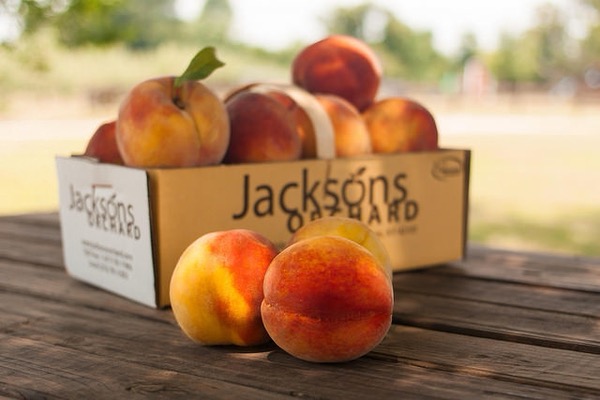
Summer: Keep soil evenly moist while fruit develops. Thin peaches to 6-8 inches apart for larger, sweeter fruit. Harvest when skin shows golden-yellow with a red blush.
Fall: Clean up dropped fruit to reduce pest and disease pressure. Apply balanced fertilizer if growth was weak.
Winter: Dormant, no attention needed. Late winter (February-March) is the best time for major pruning.
Common Problems in Wisconsin
Peach leaf curl: The most common issue. Prevent it with a dormant copper spray before buds swell.
Brown rot: Fungal disease hitting ripening fruit in wet summers. Good air circulation and cleanup help.
Late frost: Contender handles this better than most, but cover with a sheet if frost is forecast during bloom.
Japanese beetles: Show up June-July. Hand-pick in morning or use targeted treatments for heavy infestations.
Companion Planting
Lavender attracts pollinators and its scent may deter some pests. Comfrey works as a living mulch under fruit trees. Chives planted around the base can discourage borers. Coneflower and Black-eyed Susan attract beneficial insects that prey on common peach pests.
Design and Landscape Uses
Contender earns its spot even if you never eat a peach. The spring bloom covers branches in soft pink flowers before leaves emerge. Works as a specimen tree, in a mixed edible landscape, or along a fence line. At 10 feet tall and wide, it stays manageable for residential lots.
Fun Fact
Contender produces freestone fruit, meaning the pit separates cleanly from the flesh. Much easier to slice for pies and preserves than clingstone varieties. The tree is self-pollinating, so a single tree will produce fruit, but planting a second peach variety within 50 feet increases yield noticeably.
Contender Peach is available at our nursery in Cedarburg.
Stop by to see it in person and talk with our team about the best spot in your yard.